
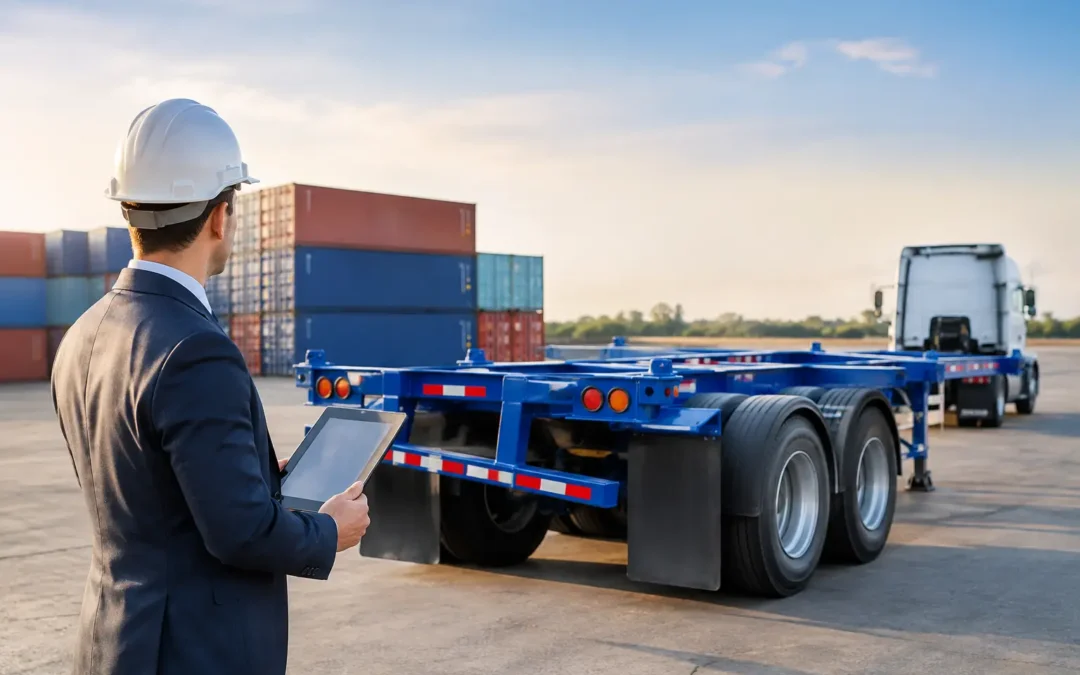
A chassis can look like a simple piece of equipment until a terminal gate clerk asks for a certificate, a lessor presents its insurance requirements, or a damaged chassis is returned with a repair bill. For intermodal carriers, learning how to insure container chassis means separating what your auto policy covers from what a chassis lease, interchange agreement, and terminal operator may require.
The right answer depends on whether you own the chassis, lease it, rent it for a short period, or pull equipment supplied by a steamship line, rail provider, or chassis pool. Treating all of those arrangements the same can leave a costly gap.
Start With Who Owns the Chassis
Insurance follows the equipment arrangement and the policy language, not just the fact that the chassis is behind your truck. Before requesting a quote or adding coverage, identify the chassis as owned, leased, rented, or non-owned interchange equipment.
If your company owns the chassis, it is typically scheduled or covered as owned trailer equipment under a commercial auto policy. You will generally want physical damage coverage for the chassis itself, along with liability protection for its use in your trucking operation. The value, deductible, storage location, and operating radius all affect the premium.
If you lease or rent a chassis, read the lease agreement before assuming your current policy is sufficient. Many chassis lessors require specific limits, listed additional insureds, waiver of subrogation language, or proof of physical damage coverage. They may also hold the motor carrier responsible for damage occurring while the chassis is in its possession, even when the damage happens at a port, rail yard, customer facility, or during a roadside incident.
For equipment received under an interchange agreement, trailer interchange coverage is often the key discussion. This coverage is designed for physical damage to a non-owned trailer or similar equipment in your care, custody, or control when you are responsible under a written interchange agreement. Whether a particular container chassis qualifies depends on the agreement and the carrier’s underwriting rules. Do not assume the label “chassis” automatically makes it eligible.
How to Insure Container Chassis Under the Right Policy
A sound container chassis insurance setup usually involves more than one coverage section. The goal is to protect the third party, the equipment, and your operation when a claim interrupts a load.
Primary auto liability protects against third-party injury and damage
Commercial auto liability addresses bodily injury and property damage you cause to others while operating the power unit and attached equipment. If your tractor and chassis are involved in an accident, liability coverage may respond to claims from another motorist, property owner, or injured party, subject to the policy terms and limits.
For interstate for-hire carriers, federal financial responsibility requirements and required filings may apply. A BMC-91X filing and MCS-90 endorsement address regulatory proof of financial responsibility, but neither should be mistaken for physical damage insurance on a chassis. The MCS-90 is a federally required surety-style endorsement in certain operations, not a replacement for equipment coverage.
Your liability limits should match your authority, freight profile, contracts, and risk tolerance. A carrier hauling containers through congested ports and dense urban corridors may face a different loss environment than a regional operator making scheduled runs between an inland rail ramp and a warehouse.
Physical damage covers the chassis you own or are responsible for
Physical damage coverage can include collision, comprehensive, specified causes of loss, or a combination of those options. Collision generally applies when the chassis is damaged in an upset or impact. Comprehensive may address theft, fire, vandalism, weather, and other non-collision losses, depending on the form.
For owned chassis, insure the equipment for an accurate stated amount or actual cash value basis, as the policy provides. Overstating value increases premium without improving a claim outcome. Understating value can leave you short when replacement costs rise or a lender requires a higher insured value.
For leased chassis, confirm that the coverage extends to the equipment while it is in your possession and that the deductible is workable. A low premium with a $10,000 deductible may not make sense for a carrier cycling through multiple chassis claims from terminal damage, curb strikes, or theft.
Trailer interchange may protect non-owned chassis
Trailer interchange coverage is commonly used by motor carriers that pull trailers they do not own under a written interchange agreement. It can be particularly relevant in intermodal work, but it is not a one-size-fits-all solution for every chassis pool or rental arrangement.
The insurer will usually want details such as the maximum value of equipment in your possession, the type of agreement, the average number of units handled, operating territory, and loss history. A carrier moving one borrowed chassis occasionally has a different exposure than a drayage fleet with dozens of units under its control each day.
Ask specifically whether the policy covers a container chassis, the container itself, or both. They are separate exposures. The container may be owned by the customer or ocean carrier, while the chassis is supplied by another party. Coverage for one does not automatically insure the other.
Do Not Confuse Cargo Coverage With Chassis Coverage
Motor truck cargo insurance protects the freight you haul, subject to exclusions, limits, and policy conditions. It does not normally pay to repair a damaged chassis. Likewise, physical damage coverage on a tractor does not automatically extend to every non-owned chassis you hook to it.
This distinction matters when a load shifts, a container is damaged during transit, and the chassis sustains damage in the same event. One accident can trigger separate questions about auto liability, cargo, tractor physical damage, and trailer interchange or leased equipment coverage. The claim is easier to manage when each exposure has been addressed before dispatch.
Match the Certificate to the Chassis Agreement
Intermodal customers, ports, rail ramps, and chassis providers often request certificates of insurance before releasing equipment. Do not treat a certificate as a formality. It is evidence of coverage, not a change to the policy, and it must accurately reflect the requirements you have agreed to meet.
Review the agreement for required liability limits, physical damage limits, additional insured wording, loss payee requirements, and notice provisions. Some requirements can be satisfied with a certificate and endorsement. Others may require a policy change or may not be available under your current carrier’s form.
A trucking-focused broker can review the operational requirement against the policy before a certificate is issued. That step helps prevent a carrier from showing a limit that does not actually apply to the equipment arrangement.
Give Your Insurer the Details That Drive Underwriting
Container hauling is not underwritten the same way as general dry van freight. The insurer needs a clear picture of your intermodal operation, especially if you are a new venture carrier.
Be ready to provide your DOT and MC information, driver list and MVRs, tractor schedule, garaging addresses, operating radius, annual mileage, loss runs, and the types of containers or chassis handled. Explain whether drivers enter ports or rail yards, use chassis pools, haul overweight containers, or leave equipment at customer sites overnight.
Also disclose the maximum number and value of non-owned chassis you may have in your care at one time. Underreporting this exposure to reduce premium can create a problem when a high-value loss occurs. The better approach is to set realistic limits and choose a deductible your business can absorb without stopping operations.
Build for Downtime, Not Just the Repair Bill
A chassis claim can create costs beyond repairs. If a damaged unit cannot be returned on time, you may face per diem charges, rental costs, missed appointments, storage fees, and lost revenue. Not every one of these costs is covered by an insurance policy, so prevention remains part of the insurance plan.
Document pre-trip and post-trip inspections with photos, especially when picking up equipment from a terminal. Record existing damage on interchange paperwork, verify lights and tires, check twist locks, and keep signed gate records. These practices can make a major difference when responsibility for damage is disputed.
Before your next intermodal dispatch, compare the chassis agreement, your current policy, and the certificate requirements line by line. The right coverage is the coverage that matches the equipment you actually control – and keeps one chassis loss from putting your trucking operation on hold.