
One claim during a deadhead run can turn into a coverage dispute fast. That is why bobtail insurance for owner operators is not a side issue – it is a specific liability gap that needs to be understood correctly before you assume your primary policy has it covered.
A lot of drivers hear “bobtail” and think it applies any time the tractor is moving without a trailer. In practice, the answer depends on who you are leased to, whether you are under dispatch, and how the policy is written. That distinction matters because owner operators often switch between operating under motor carrier authority, moving between loads, and using the truck for non-dispatch purposes. If the coverage does not match the operation, a claim can land in the gap between policies.
What bobtail insurance for owner operators actually covers
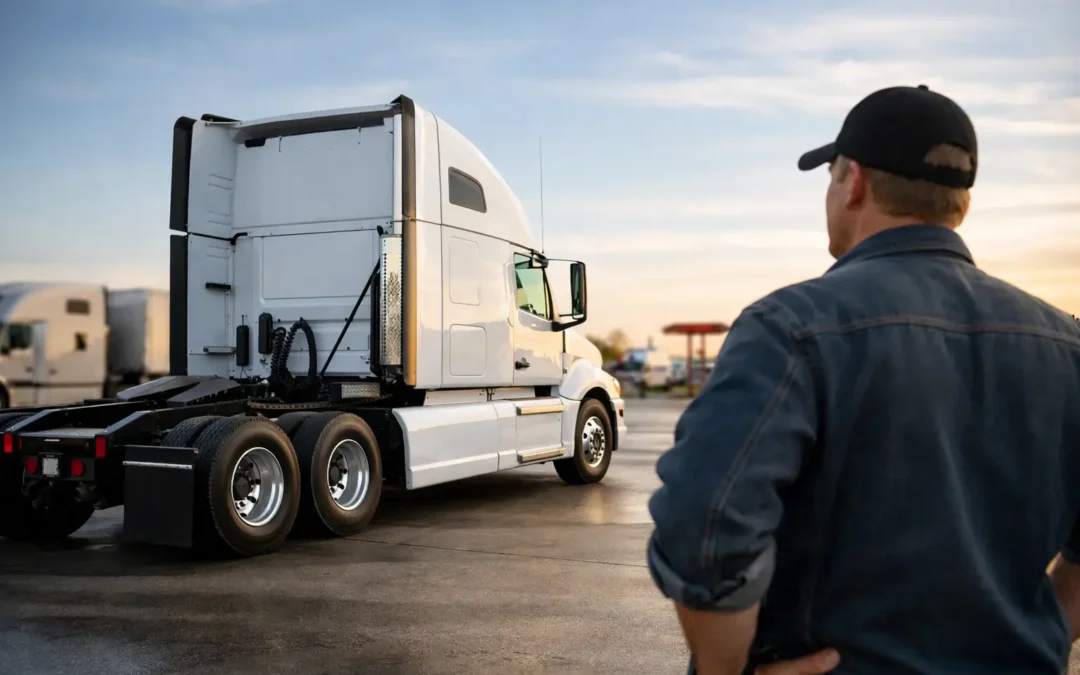
Bobtail insurance is liability coverage for a tractor when it is being operated without a trailer attached, typically outside of business use tied to a dispatched load. It is designed for situations where the truck is not hauling a trailer and the motor carrier’s primary liability may not apply.
The key word is liability. Bobtail coverage generally pays for bodily injury or property damage you cause to others while operating the tractor in a covered situation. It does not usually pay to repair your own truck. Physical damage is separate coverage. It also does not replace cargo insurance, because there is no cargo involved in a true bobtail scenario.
For owner operators leased to a motor carrier, this coverage often comes up when driving home after dropping a trailer, taking the tractor to a shop, or using the truck for personal movement that falls outside the carrier’s active business use. Some lease agreements require it. Others require non-trucking liability instead. Those are not always the same thing, even though people use the terms interchangeably.
Bobtail vs non-trucking liability
This is where many coverage mistakes happen.
Bobtail insurance refers to the physical state of the truck – tractor only, no trailer attached. Non-trucking liability focuses more on the use of the vehicle – not under dispatch and not being used for business purposes on behalf of a motor carrier. A tractor can be bobtailing and still be in business use. For example, if you are driving from a delivery point to pick up the next trailer under dispatch, you may be without a trailer, but you are still working.
That difference affects claims.
A non-trucking liability policy may exclude coverage if you were engaged in business use, even if the tractor had no trailer attached. A bobtail policy may be written differently, but it still has conditions and exclusions that must be reviewed carefully. The policy form, lease agreement, and motor carrier’s insurance structure all matter. There is no safe shortcut here.
For owner operators, the practical question is not just, “Am I driving without a trailer?” The real question is, “Am I under dispatch, operating in the business of the motor carrier, or using the truck for non-business movement?” That is what determines whether the exposure fits the coverage.
When owner operators usually need bobtail coverage
If you are leased on to a motor carrier, you may need bobtail insurance because the carrier’s primary liability is generally intended to respond while you are operating in its business. Outside that use, there can be a gap. Carriers know this, which is why many require supporting coverage from leased owner operators.
Common situations include driving the tractor home after dropping a load, going to a repair facility without a trailer, repositioning the truck off-duty, or other movements where no trailer is attached and no active dispatch is involved. These are not rare scenarios. They are part of normal trucking operations.
Newer owner operators often assume the motor carrier’s insurance follows the truck at all times. That is not how most liability structures work. Primary liability is tied to business operations, authority, and dispatch status. Once you move outside those boundaries, your protection may change.
If you operate under your own authority full time, the analysis can look different. You may already carry primary liability for your operations, and a separate bobtail policy may or may not be necessary depending on how your insurance program is structured. This is one reason trucking insurance should be reviewed by someone who works in transportation every day, not a generalist agency trying to fit trucking into a personal auto framework.
What bobtail insurance does not cover
Owner operators should be clear about the limits of this coverage.
Bobtail insurance generally does not cover damage to your tractor. If you back into a pole or your truck is damaged in a collision, that usually falls under physical damage coverage if you purchased it. It also does not cover cargo claims, because cargo coverage applies to freight exposure, not tractor-only movement.
It also may not cover every trailer-free trip. If the trip is connected to business use, dispatch, or furthering the motor carrier’s commercial operation, a non-trucking liability form may deny the claim. Some drivers learn this only after an accident, when the claims adjuster starts asking where they were going, why they were on the road, and whether they had instructions from dispatch.
This is why reading only the declarations page is not enough. The exclusions, business-use language, and lease requirements matter just as much as the premium.
How cost is determined
Premium for bobtail insurance for owner operators depends on several underwriting factors. Your driving record matters, especially major violations, preventable losses, and years of CDL experience. The garaging state and operating radius can also affect price, along with the tractor value if the policy package includes more than pure liability.
Underwriters also look at how the truck is used. A leased owner operator with a stable relationship to a motor carrier may be viewed differently than an operator moving between contracts. Prior insurance history, lapse history, and the type of freight operation can also influence what markets are available.
The cheapest option is not always the best one. A low premium with broad business-use exclusions can create problems if the coverage does not match your actual movements. In trucking insurance, price always needs to be weighed against claim defensibility.
How to avoid common bobtail coverage mistakes
The first mistake is relying on verbal explanations. Drivers are often told, “You’re covered when you don’t have the trailer,” which sounds simple but leaves out the legal and underwriting details that decide claims.
The second mistake is ignoring the lease agreement. Many motor carriers spell out what type of supporting liability coverage the owner operator must carry. If the contract requires non-trucking liability and you buy something narrower or different, you may still be non-compliant.
The third mistake is failing to coordinate policies. Your primary liability, bobtail or non-trucking liability, physical damage, and any occupational accident or workers’ compensation arrangement should fit together. Insurance gaps usually show up at the policy intersections, not inside a single form.
This is also where a trucking-focused broker adds value. Matching a policy name to a certificate is easy. Matching the actual policy language to how an owner operator runs, dispatches, and moves equipment is the part that keeps claims from turning into denied claims.
What to ask before you bind coverage
Before you buy bobtail coverage, ask how the carrier defines business use, whether driving to and from a terminal is covered, and how the policy responds when you are between loads. Ask whether the policy is intended to satisfy a lease requirement or simply add limited protection during certain off-dispatch movements.
You should also confirm what is not included. If you need physical damage, downtime-sensitive support, or filings tied to your own authority, those are separate issues that need to be addressed directly. A policy should fit the operation you actually run, not the one someone assumes you run.
For leased owner operators especially, the right answer often depends on the carrier relationship. One operation may need non-trucking liability with tight business-use definitions. Another may need a different approach because of dispatch patterns, terminal requirements, or lease language. It depends on the real-world movement of the truck.
A tractor does not have to be hauling freight to create a serious liability claim. Owner operators know that every mile still carries exposure, whether the trailer is attached or not. Getting bobtail coverage right is less about checking a box and more about making sure your insurance still works when the load is off, the truck is moving, and the wrong thing happens at exactly the wrong time.
If there is any uncertainty in how your policy would respond, that is the moment to review it – not after an accident report is already on the table.