
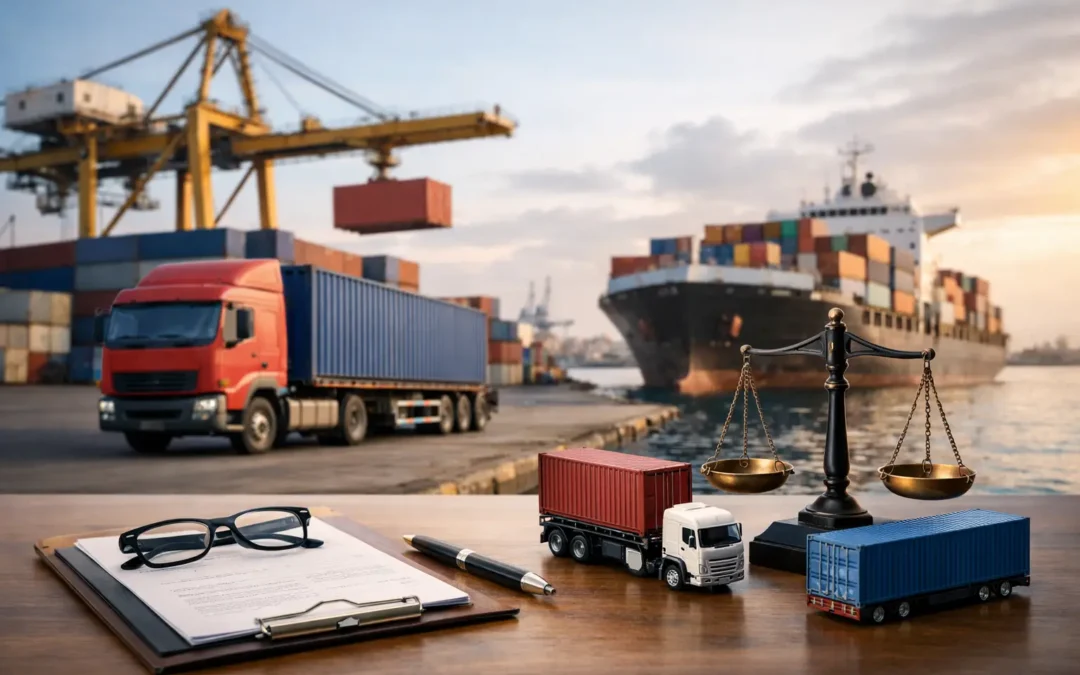
One claim at the port can sideline a truck faster than a mechanical breakdown. Container hauling insurance is built for that reality. If you move ocean containers between ports, rail yards, warehouses, and customer facilities, your risk profile is different from standard long-haul trucking, and your insurance needs to reflect that.
Drayage work looks simple from the outside – pick up a container, move it a short distance, return equipment on time. In practice, it brings concentrated exposure. Tight terminals, chassis issues, interchange agreements, driver turnover, storage deadlines, and cargo that may change hands several times before final delivery all create pressure points. A general commercial auto policy is not enough if it leaves gaps around container-related liability, cargo claims, or damage to equipment you do not own.
What container hauling insurance usually includes
Container hauling insurance is not one single policy. It is usually a package of coverages built around your authority, your contracts, and the way your operation actually runs.
Primary auto liability is the foundation. If you operate under your own authority, this is the coverage tied to FMCSA requirements and the policy that responds when your truck causes bodily injury or property damage to others. For many for-hire carriers, this is the first policy brokers, shippers, and terminals expect to see before they will work with you.
Motor truck cargo coverage matters even on short runs. A common mistake is assuming local drayage means lower cargo exposure. That is not always true. If a loaded container is involved in a crash, theft, fire, or other covered loss, the value of the goods can be substantial. Cargo forms also need to be reviewed carefully because exclusions, theft warranties, unattended vehicle conditions, and commodity restrictions can change how a claim is handled.
Physical damage covers your insured power units and, where scheduled, your owned equipment for collision, fire, theft, vandalism, and other named causes of loss. This protects your truck, but it does not automatically protect every piece of non-owned equipment you may pull.
Trailer interchange is often critical in drayage. When you take possession of a chassis or trailer under a written interchange agreement, you may be contractually responsible for damage even though you do not own it. Without trailer interchange coverage, that damage can become an out-of-pocket cost.
Non-owned trailer or equipment-related coverage may also come into play depending on the carrier and policy structure. The exact solution depends on whether you are pulling chassis, handling containers under interchange, or dealing with terminal requirements that assign liability a certain way.
General liability can fill another gap. It does not replace auto liability, but it may respond to non-driving exposures such as incidents at your yard or office. If your operation has a physical location, employees, or customer foot traffic, this becomes more relevant.
Why drayage operations need specialized container hauling insurance
Container hauling has risk characteristics that underwriters look at differently from general freight. Port and rail work can involve frequent stops, dense traffic, yard congestion, and more backing exposure. Claims do not need to be high speed to become expensive. A low-speed impact with terminal equipment, a dropped container, or damage discovered during interchange inspection can create a serious loss.
There is also a paperwork side to the exposure. Interchange agreements, terminal access rules, and shipper contracts can all impose insurance requirements that go beyond basic federal filings. Some operators need higher liability limits. Others need proof of specific cargo limits, trailer interchange limits, or additional insured status before they can start work.
This is where specialization matters. Container hauling insurance should be built after reviewing your operating radius, equipment mix, driver profiles, commodities, terminal access, and contractual obligations. If your policy does not match how you actually haul, the cheapest quote can become the most expensive mistake.
Common gaps that cause problems
A lot of insurance issues in container hauling show up after a certificate is issued and the truck is already moving. The policy may satisfy a filing requirement but still leave a gap in the real-world exposure.
One common issue is inadequate trailer interchange limits. If the chassis you are pulling has more value than your policy limit, you may be underinsured from the start. Another is assuming cargo applies automatically to every commodity in every situation. Some policies restrict electronics, seafood, alcohol, high-theft loads, or temperature-sensitive goods.
Downtime is another blind spot. Physical damage may pay for repairs to the truck, but it does not always cover lost revenue while that unit is off the road unless you have separate downtime or rental reimbursement options where available. For small fleets and owner operators, that cash-flow interruption matters as much as the repair bill.
New ventures often run into a different problem: they buy insurance based only on what is needed to activate authority, then later add drayage work without updating the policy. That can create underwriting issues, premium disputes, or claim complications if the carrier was never told the business moved containers.
How premiums are priced
Container hauling insurance premiums depend on more than just the truck. Underwriters look at your USDOT history, years in business, driver MVRs, loss runs, garaging location, operating radius, type of freight, and whether you work ports, rail ramps, or both.
New venture carriers usually pay more because they have limited operating history. Fleets with clean loss runs and stable driver rosters tend to get more favorable terms. The age and value of your power units also affect physical damage pricing, while cargo limits and chassis exposure influence the rest of the package.
Geography matters too. Operators running dense metro drayage lanes or high-theft areas may see higher rates than carriers in lower-congestion markets. It is not always about distance. A short haul with constant terminal traffic can present more claim frequency than a longer highway run.
What underwriters want to see
If you want better options, present your operation like a business that understands risk. Underwriters respond well to clean and complete submissions. That includes accurate driver schedules, clear equipment lists, current loss runs, a realistic description of operations, and any safety procedures you have in place.
For container hauling insurance, it also helps to explain whether you handle loaded and empty containers, what ports or rail yards you serve, whether you use owner operators, and how interchange responsibility is managed. If you have dash cams, driver training, or established inspection procedures for chassis and container pickups, that can strengthen the account.
Speed matters, but accuracy matters more. A rushed application that leaves out drayage or interchange exposure can delay binding or create trouble later when certificates and filings are needed.
Choosing the right policy structure
There is no universal policy setup for container hauling. An owner operator leased to a motor carrier may need a very different structure from a fleet running under its own authority. A two-truck new venture hauling local containers has different needs from a 20-unit fleet handling port drayage, transloading support, and regional delivery.
The right structure starts with a few practical questions. Are you operating under your own MC authority or leased on? Do your contracts require trailer interchange? What cargo limits are your customers expecting? Are you hauling only dry containers, or are there refrigerated or higher-value loads involved? How quickly do you need certificates issued when a new customer or terminal asks for proof of coverage?
This is where a trucking-focused broker earns their keep. The goal is not to stack unnecessary coverage. The goal is to match policy language, limits, and filings to the way your business earns revenue and the way claims actually happen in drayage.
Compliance and insurance are tied together
For for-hire carriers, insurance is not just financial protection. It is part of staying operational. FMCSA filings, MCS-90 requirements where applicable, and proof of active coverage all affect your ability to keep authority in place. Separate from federal compliance, ports, rail facilities, and shippers may have their own insurance standards that need to be met before dispatch starts.
That means service matters almost as much as price. If a certificate needs to go out the same day, or a filing issue threatens your authority status, delays can cost loads. A specialized brokerage that works in trucking every day understands that insurance paperwork is operational paperwork.
Monarca Trucking Insurance Services works with that mindset – coverage has to protect the business, but it also has to keep the wheels turning.
Container hauling insurance should do more than satisfy a contract. It should reflect the real exposures of drayage work, from interchange liability to cargo loss to the cost of having a truck parked after a claim. When your policy is built around how you actually operate, you are in a better position to take the load, meet the requirement, and keep moving.