National Intermodal and Container Hauling Insurance based out of West Covina, CA
Coverage Built for the Port-to-Door Freight Chain
When Your Operation Connects the Ports to the Distribution Centers — Every Link in That Chain Needs the Right Protection
- Intermodal and container hauling insurance for drayage operators, port carriers, and owner operators throughout the San Gabriel Valley
- Access to multiple A-rated carriers for competitive intermodal insurance rates across all container types and operating arrangements
- UIIA compliance review and container damage liability structuring coordinated for every intermodal placement
-
 Intermodal and Container Hauling Insurance
Why Intermodal Insurance Is One of the Most Complex Coverage Structures in Commercial Trucking
Drayage operators and container haulers across West Covina, CA and the San Gabriel Valley face an insurance challenge that is fundamentally different from standard over-the-road trucking. Intermodal operations involve multiple parties — ocean carriers, terminal operators, chassis pool providers, and freight brokers — each with their own equipment, their own liability obligations, and their own insurance requirements embedded in contracts that most general insurance agents have never read. The result is a coverage structure where gaps between policies are common, disputes over who is responsible for container damage are frequent, and operators who don’t understand UIIA obligations can face significant financial exposure on claims they didn’t anticipate.
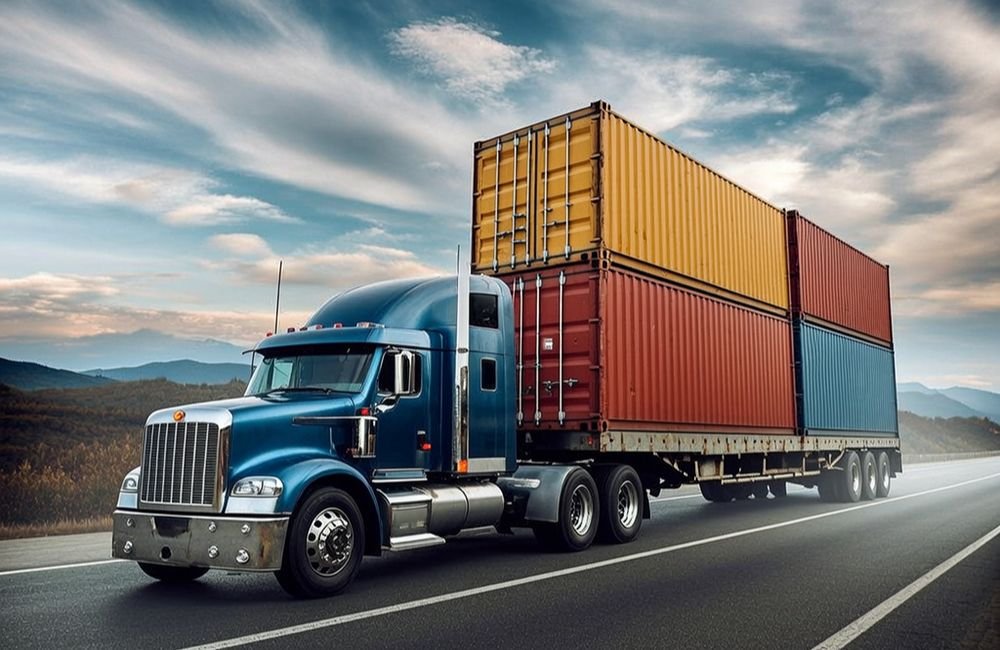
These are the pain points drayage operators and container haulers face most often:
UIIA equipment interchange liability gaps.
The Uniform Intermodal Interchange and Facilities Access Agreement — commonly known as the UIIA — governs the interchange of chassis and container equipment between motor carriers and equipment providers at ports and rail terminals. Operators who sign the UIIA without understanding their insurance obligations can find themselves personally liable for chassis damage, container damage, and terminal incidents that their standard primary liability policy does not address.
Container damage liability disputes.
When a shipping container is damaged during a drayage move — whether from improper securing, a collision, or a terminal incident — the ocean carrier or shipping line will hold the drayage operator responsible for the cost of repair or replacement. Many intermodal operators discover too late that their primary liability policy does not respond to container damage claims because the container is not their own property and was not damaged by a covered collision event in the traditional sense.
Chassis coverage confusion.
Drayage operators regularly pull chassis owned by chassis pool providers — DCLI, TRAC Intermodal, Flexi-Van, and others — under equipment interchange agreements. Physical damage to that chassis during the operator’s possession is typically the operator’s financial responsibility under the interchange agreement, and many operators assume their primary liability or physical damage policy covers chassis damage when it does not.
Inadequate cargo coverage for intermodal freight.
Standard motor truck cargo policies are designed for over-the-road freight, not intermodal container operations. The coverage triggers, liability thresholds, and commodity exclusions in a standard cargo form may not correctly address the freight inside an intermodal container — particularly for high-value or specialized cargo moving through the Ports of Los Angeles and Long Beach.
Terminal access and port authority requirements.
Port terminal operators at the Port of Los Angeles, Port of Long Beach, and Alameda Corridor rail terminals impose specific insurance requirements — minimum liability limits, endorsements, and certificate formats — as a condition of terminal access. Operators with policies that don’t meet those requirements can be turned away at the gate.
Multi-party liability exposure at terminals.
A drayage incident at a port terminal can involve the terminal operator’s equipment, third-party vehicles, dock workers, and container freight simultaneously — creating a multi-party liability scenario that a standard commercial auto policy is often not structured to address correctly.
Working with agencies that don’t understand intermodal operations.
General insurance agents who occasionally write coverage for drayage operators often apply standard over-the-road trucking policy structures to intermodal operations — missing the UIIA obligations, chassis interchange coverage gaps, and terminal-specific endorsements that intermodal operations require.
Closing these gaps requires more than a standard trucking policy — it requires an agency that understands the intermodal supply chain well enough to structure coverage for every party in it. Monarca Trucking Insurance Services structures intermodal and container hauling insurance for drayage operators across West Covina and throughout Los Angeles County with the UIIA expertise and intermodal coverage knowledge that general agencies cannot provide.
-
Intermodal and Container Hauling Insurance
Our Intermodal and Container Hauling Insurance Services
Comprehensive insurance coverage for drayage operators and container haulers in West Covina, CA and throughout Los Angeles County — structured around UIIA obligations, port terminal requirements, and the specific liability exposures of the Los Angeles Basin intermodal market.
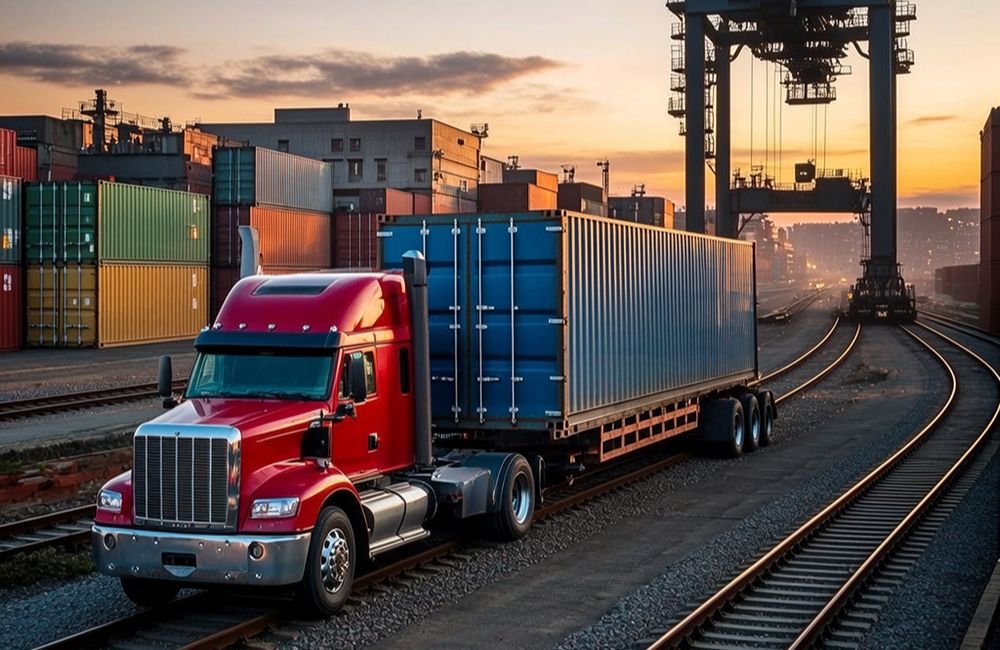
Primary Liability Insurance for Drayage Operators
FMCSA-compliant primary liability coverage for intermodal and drayage operations — structured to meet port terminal minimum limits and satisfy the liability thresholds imposed by ocean carriers and freight brokers in the Los Angeles Basin.
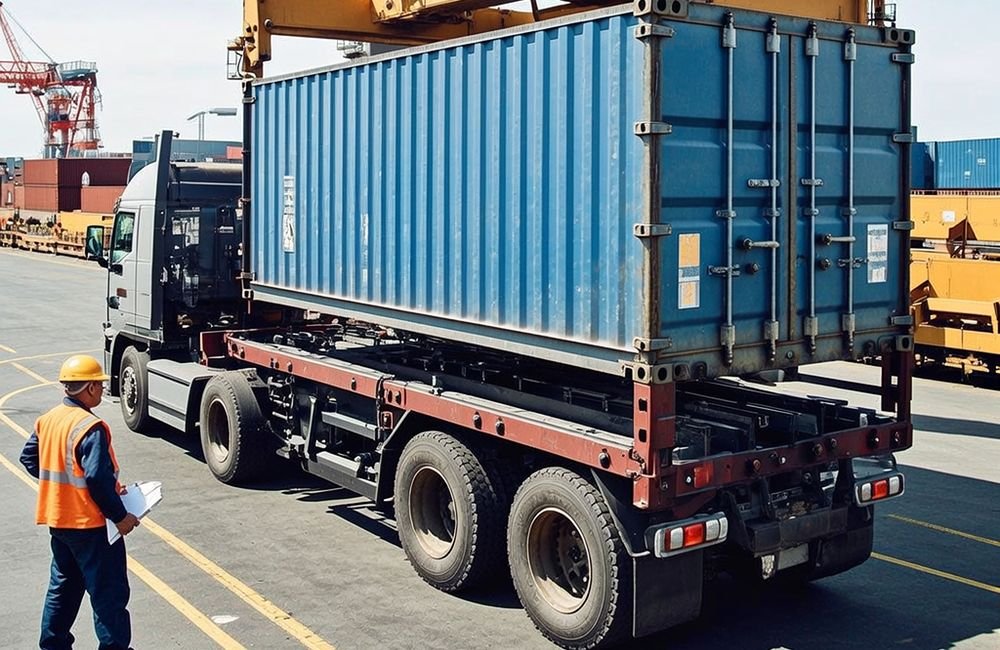
UIIA Chassis Interchange Coverage
Insurance coverage structured to satisfy the Uniform Intermodal Interchange and Facilities Access Agreement obligations — protecting drayage operators against chassis damage liability during equipment interchange at ports, rail terminals, and chassis pool pickup locations throughout Los Angeles County.
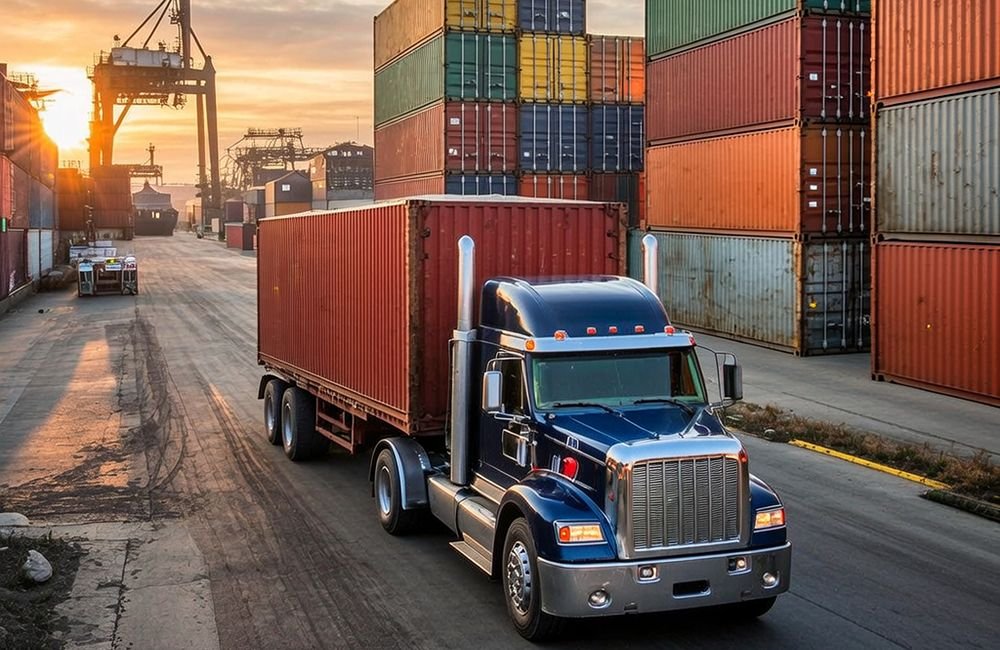
Container Damage Liability Insurance
Coverage for drayage operator liability arising from damage to intermodal containers in their possession — addressing the shipping line and ocean carrier claims that standard primary liability policies are often not structured to cover correctly.
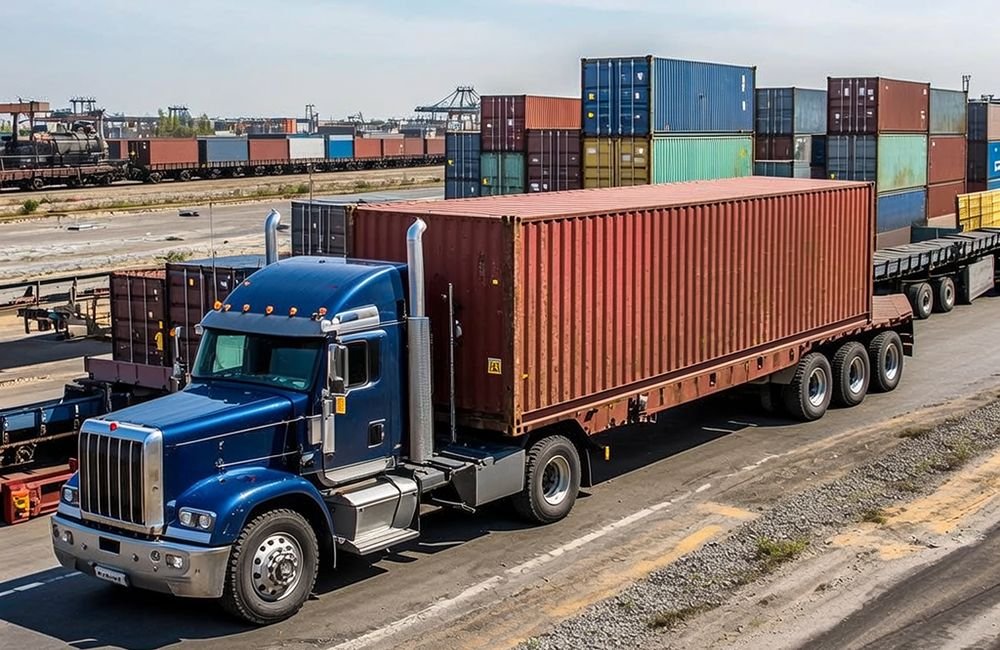
Intermodal Cargo Insurance
Motor truck cargo insurance specifically structured for container freight operations — covering the goods inside the container during the drayage leg from port to distribution center, with coverage triggers appropriate to intermodal operations rather than standard over-the-road cargo forms.
Port Terminal Access Insurance
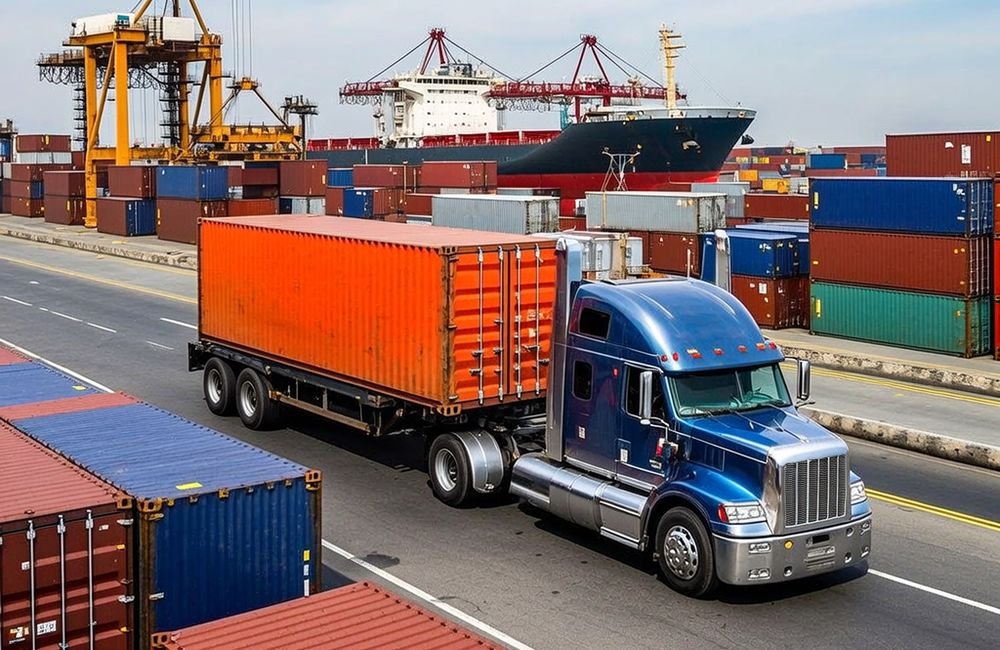
Insurance coverage and certificate structuring specifically designed to meet Port of Los Angeles, Port of Long Beach, and inland rail terminal access requirements — ensuring drayage operators maintain uninterrupted terminal access credentials throughout the policy term.
Physical Damage Insurance for Drayage Equipment
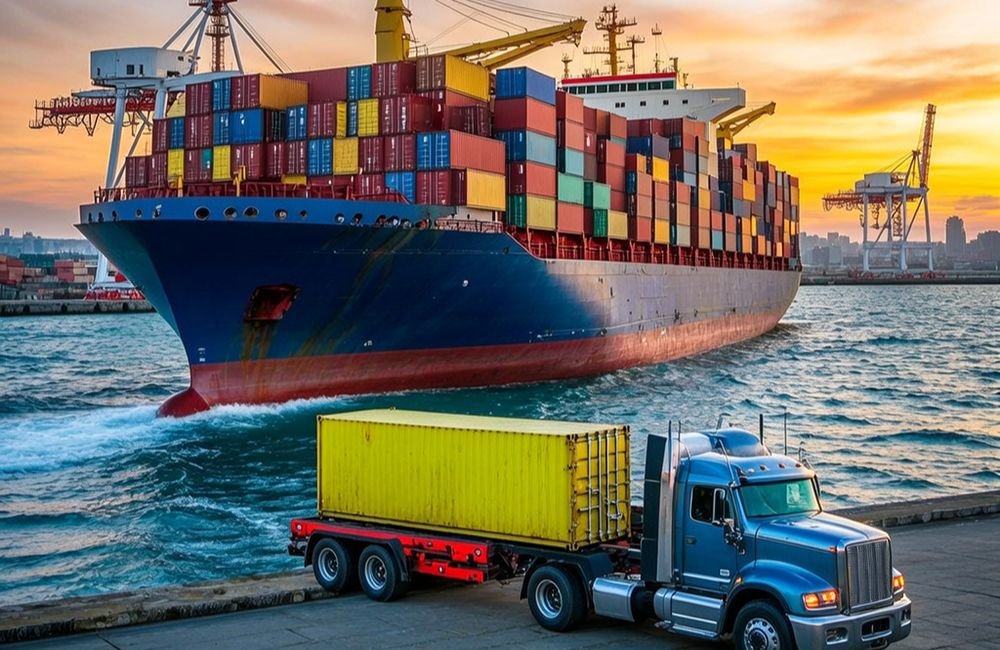
Collision and comprehensive coverage for tractors used in intermodal drayage operations — including equipment valuation review, lender compliance confirmation, and coordination with chassis pool physical damage obligations.
New Venture Intermodal Insurance
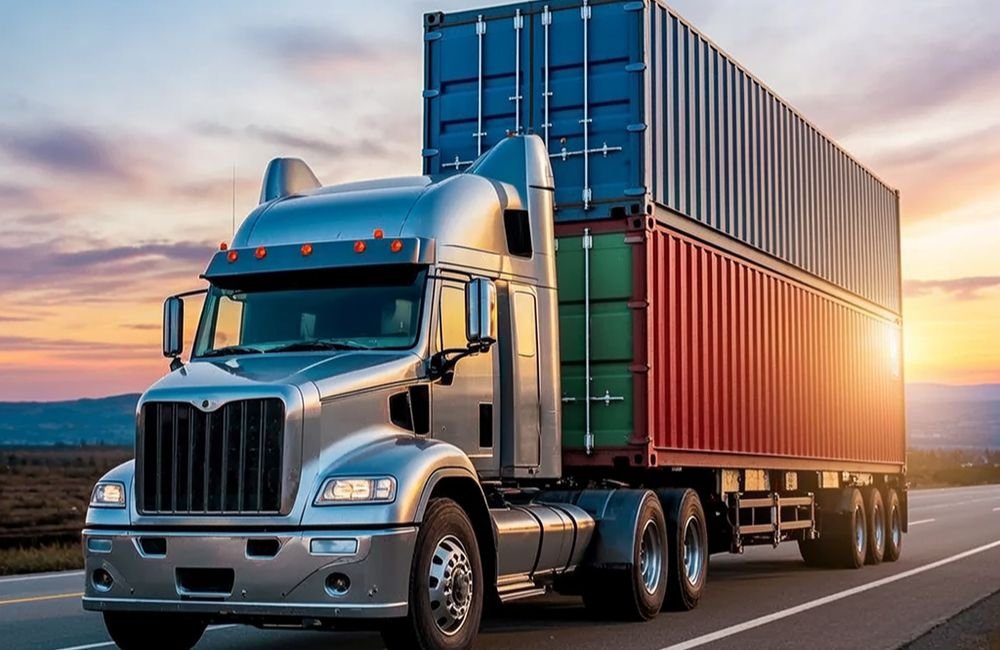
Complete intermodal insurance packages for newly authorized drayage operators launching port operations in West Covina — including UIIA enrollment guidance, terminal access certificate structuring, and coordination with new motor carrier authority filing requirements.
-
Intermodal and Container Hauling Insurance
Why Choose Monarca for Intermodal Insurance in West Covina, CA
Drayage operators and container haulers throughout Los Angeles County searching for intermodal insurance near me need more than an agency that can issue a standard trucking certificate. They need a trucking specialist who understands UIIA obligations, container damage liability, chassis interchange coverage, port terminal access requirements, and how each layer of an intermodal insurance program interacts in a real claim scenario.
Trucking insurance is our core business.
Monarca Trucking Insurance Services is built around commercial trucking — not personal lines with a commercial vehicle endorsement. Every intermodal insurance policy we structure reflects specialized knowledge of how drayage operations, UIIA obligations, and port terminal liability actually work in the Los Angeles Basin intermodal market.
Independent agency access to multiple A-rated carriers.
As an independent agency, we compare intermodal and container hauling insurance options across multiple markets — giving drayage operators in West Covina access to competitive coverage options tailored to their specific equipment arrangements, operating radii, and port terminal requirements.
UIIA compliance expertise.
We understand the insurance obligations embedded in the Uniform Intermodal Interchange and Facilities Access Agreement — and we structure chassis interchange coverage, container damage liability, and terminal incident protection to ensure your policy satisfies those obligations before you pull a chassis out of a pool.
Container damage liability structuring.
We identify the specific container damage liability exposure in your drayage operation — whether from ocean carrier shipping line requirements, terminal operator contracts, or freight broker agreements — and structure coverage that responds to those claims correctly.
Port terminal certificate compliance.
We confirm that your intermodal insurance certificates meet the specific format, endorsement, and minimum limit requirements imposed by the Port of Los Angeles, Port of Long Beach, and inland rail terminal operators — so your access credentials remain active. Operators searching for container hauling insurance near me face a specific challenge that general trucking agencies are not equipped to address — and certificate compliance is where that gap shows up first.
Bilingual service.
All quoting, binding, and policy explanation is conducted in both English and Spanish — serving the Spanish-speaking drayage community throughout West Covina and greater Los Angeles County.
Responsive certificate and compliance support.
Terminal certificates, UIIA compliance confirmations, and coverage questions are handled promptly — because a rejected certificate at a port gate means a load that doesn’t move and revenue that stops immediately.
-
Intermodal and Container Hauling Insurance
Finding Intermodal Insurance Near Me — Why Drayage Expertise Matters
When West Covina drayage operators search for intermodal insurance near me, the options that appear vary dramatically in how well they understand the operational and contractual complexity of container hauling. General agencies can issue a primary liability certificate — but structuring intermodal trucking insurance that correctly addresses UIIA chassis interchange obligations, container damage liability, and port terminal access requirements demands an understanding of the intermodal industry that most general agents simply don’t have. A standard over-the-road trucking policy applied to a drayage operation may satisfy an FMCSA filing requirement while leaving the operator entirely exposed on the claims that are most common in intermodal operations — chassis damage, container damage, and terminal incidents. Monarca brings genuine intermodal insurance expertise to every placement — ensuring your coverage is built around how drayage operations actually work, not how standard trucking policies are structured.
Drayage Insurance Requirements — What West Covina Container Haulers Need to Know
Port terminal operators, ocean carriers, chassis pool providers, and the UIIA all impose specific insurance requirements on drayage operators that go significantly beyond standard FMCSA minimum liability thresholds. Terminal access at the Port of Los Angeles and Port of Long Beach typically requires minimum liability limits that exceed standard FMCSA floors, specific endorsements confirming coverage for terminal operations, and certificate formats that match the terminal operator’s requirements exactly. Current drayage credentials and terminal access requirements are maintained at portoflosangeles.org and polb.com for the Port of Long Beach — and requirements vary by terminal operator and are subject to change at renewal. UIIA participants must maintain coverage that satisfies the agreement’s equipment interchange provisions — including chassis physical damage liability and container damage exposure. Ocean carrier and shipping line contracts may impose additional cargo and container damage coverage requirements on top of terminal and UIIA obligations. Whether you call it intermodal trucking insurance, drayage insurance, or container hauling coverage — Monarca reviews every applicable contract and access requirement as a standard part of every placement, so your certificates open terminal gates and satisfy every party in the container supply chain.
-
Intermodal and Container Hauling Insurance
How Monarca Structures Intermodal Insurance for Drayage Operators
Every intermodal and container hauling insurance program Monarca builds follows a deliberate, operations-first process — designed to ensure every UIIA obligation, terminal access requirement, and container damage liability exposure is addressed before the first load moves.
Operation and contract review.
We begin by reviewing your operating territory, equipment arrangements, chassis pool agreements, ocean carrier contracts, and terminal access credentials — because the insurance obligations in intermodal operations vary significantly by terminal, chassis provider, and shipping line relationship.
UIIA compliance assessment.
We review your UIIA enrollment status and the specific insurance obligations the agreement imposes — identifying chassis interchange coverage gaps, container damage liability exposure, and endorsement requirements that your current or proposed policy must address.
Terminal access certificate review.
We confirm the specific insurance certificate requirements for each terminal you access — Port of Los Angeles, Port of Long Beach, Alameda Corridor rail terminals, and inland intermodal facilities — and structure your certificates to satisfy each terminal’s requirements before you submit for access credentials.
Container damage liability structuring.
We identify every party in your container supply chain — ocean carriers, shipping lines, terminal operators, and freight brokers — that can hold you responsible for container damage, and structure coverage that responds to those claims correctly.
Cargo coverage alignment.
We review whether your cargo insurance correctly addresses the freight inside the containers you haul — including coverage triggers appropriate to intermodal operations and commodity classifications relevant to your container freight profile.
Multi-carrier market comparison.
We access multiple A-rated intermodal insurance markets to compare policy terms, UIIA endorsement structures, and per-unit costs — ensuring competitive options across owner operator drayage operations, small fleets, and multi-terminal programs.
Plain-language policy explanation.
Before binding, every coverage layer, UIIA obligation, terminal endorsement, and exclusion is explained in English or Spanish — so you understand exactly how your intermodal trucking insurance program responds across every phase of a drayage move.
Continuous compliance monitoring.
We track renewal dates, terminal access credential requirements, and UIIA enrollment obligations — helping drayage operators across West Covina maintain continuous, compliant intermodal coverage throughout the policy term.
-
FAQs
Frequently Asked Questions — Intermodal and Container Hauling Insurance in West Covina, CA
What is intermodal insurance and why is it different from standard trucking insurance?
Intermodal and container hauling insurance is a specialized coverage structure designed for drayage operators who haul shipping containers between ports, rail terminals, and distribution centers. Unlike standard over-the-road trucking insurance, intermodal insurance must address UIIA chassis interchange obligations, container damage liability to ocean carriers and shipping lines, port terminal access requirements, and cargo coverage triggers specific to container freight operations. For drayage operators in West Covina, CA and throughout Los Angeles County, the difference between a standard trucking policy and a properly structured intermodal program can determine whether a container damage claim is covered or denied.
What is the UIIA and what does it require from a drayage operator's insurance?
The Uniform Intermodal Interchange and Facilities Access Agreement — UIIA — is the standard agreement governing the interchange of chassis and container equipment between motor carriers and equipment providers at ports and rail terminals throughout North America. Motor carriers enrolled in the UIIA agree to be responsible for equipment damage during their possession and must maintain insurance coverage that satisfies the agreement's provisions. Specific UIIA insurance requirements include coverage for chassis physical damage during interchange and may include endorsements confirming coverage for container handling incidents. Monarca reviews your UIIA enrollment and structures your intermodal insurance to satisfy its obligations from the first day of coverage.
Does my standard commercial auto liability policy cover container damage claims?
In most cases, standard primary commercial auto liability policies do not respond correctly to container damage claims from ocean carriers and shipping lines. Container damage claims are typically asserted as cargo or property damage claims under shipping line contracts — not as third-party bodily injury or property damage claims under a standard auto liability form. Drayage operators in West Covina who rely on standard commercial auto coverage without a container damage liability endorsement or separate coverage layer are typically exposed on exactly the claims that ocean carriers and shipping lines pursue most aggressively.
What are the insurance requirements for accessing port terminals at the Port of Los Angeles and Port of Long Beach?
Port terminal operators at the Port of Los Angeles and Port of Long Beach require drayage operators to maintain minimum primary liability coverage — typically at or above standard FMCSA thresholds — with certificates issued in specific formats and endorsed to name the terminal operator as an additional insured or certificate holder. Individual terminal requirements vary by operator and may change at renewal. Current drayage access requirements are published at portoflosangeles.org and polb.com. Monarca confirms the current certificate requirements for each terminal you access and structures your coverage to satisfy them before your access credentials are due for renewal.
Do I need separate cargo insurance for the freight inside the containers I haul?
Whether you need separate cargo insurance for intermodal container freight depends on your operating arrangements. If you are operating as a common carrier under your own authority, you may carry cargo liability for the freight inside the containers you haul. If you operate as a contract carrier under a shipping line or ocean carrier's bill of lading, cargo liability may be governed by the shipping line's own insurance program — but drayage operators are often held responsible for cargo damage that occurs during their specific leg of the move. Monarca reviews your operating arrangements and contract obligations before recommending whether separate intermodal cargo coverage is required.
What is chassis interchange coverage and why do I need it for drayage operations?
Chassis interchange coverage protects drayage operators against financial responsibility for physical damage to a chassis owned by a chassis pool provider — DCLI, TRAC Intermodal, Flexi-Van, or others — that occurs while the chassis is in the operator's possession. Under standard equipment interchange agreements, the operator is responsible for chassis damage during their possession regardless of fault. A standard primary liability or physical damage policy typically does not cover damage to non-owned chassis. Chassis interchange coverage specifically addresses that exposure — and for drayage operators in West Covina and throughout the Los Angeles port complex, it is a critical component of a complete intermodal insurance program.
Does Monarca serve Spanish-speaking drayage operators seeking intermodal insurance?
Absolutely. Monarca Trucking Insurance Services conducts all aspects of business in both English and Spanish — from intermodal insurance quoting and UIIA compliance review to terminal certificate structuring and policy renewal. We serve the Spanish-speaking drayage and container hauling community throughout West Covina and greater Los Angeles County.
-
Intermodal and Container Hauling Insurance
Our Process at a Glance
Step 1 — Operation, contract, and terminal access review
We review your operating territory, chassis pool agreements, UIIA enrollment status, ocean carrier contracts, and terminal access requirements — identifying every coverage obligation in your intermodal operation before recommending any insurance structure.
Step 2 — Coverage structuring and market comparison
We access multiple A-rated intermodal insurance markets, structure coverage for UIIA obligations, container damage liability, terminal access, and cargo exposure, and build a complete intermodal insurance program that satisfies every party in your container supply chain.
Step 3 — Binding, certificates, and ongoing compliance monitoring
Once you approve coverage, we bind your policy, issue terminal access certificates in the required formats, confirm UIIA compliance, and monitor renewal dates and credential requirements to help you maintain continuous, compliant intermodal coverage.
-
Intermodal and Container Hauling Insurance
How Our Intermodal Insurance Services Work in West Covina, CA
Primary Liability Insurance for Drayage Operators
FMCSA Compliance and Port Terminal Access in One Structure
Primary liability insurance for drayage operators in the West Covina and San Gabriel Valley market must do more than satisfy FMCSA minimum thresholds — it must also meet the elevated minimum limits required by port terminal operators at the Port of Los Angeles and Port of Long Beach, satisfy the liability thresholds embedded in ocean carrier and freight broker contracts, and be structured with the endorsements and certificate formats that terminal gates require before allowing access. A standard primary liability policy that meets the $750,000 FMCSA minimum for general freight may fall short of the limits a terminal operator requires — leaving a drayage operator with a compliant FMCSA filing and a rejected terminal certificate simultaneously. Monarca structures primary liability coverage for drayage operators with an understanding of both the federal filing requirements and the terminal-specific thresholds that govern access to the Los Angeles port complex.
UIIA Chassis Interchange Coverage
Closing the Gap That Equipment Interchange Agreements Create
UIIA chassis interchange coverage addresses one of the most significant and most commonly overlooked insurance gaps in drayage operations — the financial responsibility for physical damage to a chassis in the operator’s possession under an equipment interchange agreement. When a drayage operator picks up a chassis from a DCLI, TRAC Intermodal, or Flexi-Van pool at a port or rail terminal, they accept responsibility for that chassis under the terms of their UIIA enrollment. If the chassis is damaged during their possession — whether from a collision, a loading incident, or a terminal event — the chassis provider will pursue the cost of repair or replacement from the operator. Standard primary liability policies do not cover damage to non-owned equipment in the operator’s possession under an interchange agreement — and standard physical damage policies only cover equipment the operator owns. UIIA chassis interchange coverage specifically closes that gap, providing financial protection for chassis damage claims that arise during the drayage operator’s possession of interchange equipment throughout the Los Angeles port complex and inland rail terminals.
Container Damage Liability Insurance
Protection Against the Claims Ocean Carriers Pursue Aggressively
Container damage liability insurance addresses the exposure that catches more drayage operators off guard than any other coverage gap in intermodal operations — the direct claim from an ocean carrier or shipping line for damage to a shipping container that occurred during the drayage operator’s possession. Shipping containers are expensive assets — a standard 20-foot or 40-foot ISO container can carry a replacement value of tens of thousands of dollars, and ocean carriers pursue container damage claims against drayage operators under the terms of their equipment interchange and carrier agreements. Standard primary commercial auto liability policies are not designed to respond to container damage claims, which are typically asserted as property damage claims under shipping line contracts rather than third-party auto liability claims. Container damage liability insurance specifically addresses that exposure — and for drayage operators in West Covina hauling containers through the Ports of Los Angeles and Long Beach, it is a coverage gap that cannot be left unaddressed.
Intermodal Cargo Insurance
Freight Coverage Structured for Container Operations
Intermodal cargo insurance for drayage operators in the San Gabriel Valley differs from standard motor truck cargo coverage in ways that matter significantly when a freight loss occurs during a drayage move. Standard cargo forms are structured around over-the-road trucking operations — with coverage triggers, liability thresholds, and commodity exclusions that reflect how freight is handled in a traditional line-haul context. Container freight, by contrast, moves under bills of lading issued by ocean carriers, passes through terminal handling events before and after the drayage leg, and may involve multiple parties with overlapping cargo liability obligations. Intermodal cargo insurance is structured to address the drayage leg of the container freight journey specifically — ensuring the freight inside the container is covered during the operator’s possession from port gate to distribution center delivery. Monarca reviews your operating arrangements and ocean carrier contract obligations before structuring intermodal cargo coverage for drayage operators across the San Gabriel Valley.
Port Terminal Access Insurance
Keeping Your Credentials Active at Every Gate
Port terminal access insurance addresses a practical operational requirement that is distinct from the standard liability and cargo coverages in an intermodal program — the specific certificate formatting, endorsement, and minimum limit requirements that terminal operators impose as a condition of granting drayage access credentials. The Port of Los Angeles and Port of Long Beach are served by multiple terminal operators — APMT, Everport, ITS, LBCT, TTI, Yusen, and others — each with their own certificate requirements that may differ in format, additional insured language, and minimum limits. A drayage operator whose certificate doesn’t match a specific terminal’s requirements can be denied access at the gate — stopping their operation entirely until the certificate is corrected and resubmitted. Monarca tracks the certificate requirements for the terminals its drayage clients access and structures coverage to satisfy each terminal’s specific requirements — ensuring access credentials remain active throughout the policy term. Current terminal access requirements are published at portoflosangeles.org and polb.com.
Physical Damage Insurance for Drayage Equipment
Equipment Protection for Every Tractor in Your Port Operation
Physical damage insurance for drayage tractors in the West Covina and San Gabriel Valley market involves the same collision and comprehensive coverage fundamentals as standard trucking physical damage — but with additional considerations specific to port operations. Drayage tractors operating in port terminal environments face elevated collision exposure from tight terminal lanes, heavy container-handling equipment, and high-density traffic at gate entry points. Comprehensive exposure at port-adjacent staging areas includes theft, vandalism, and fire risks that differ from standard over-the-road overnight parking scenarios. Lender requirements for drayage tractors — which tend to be higher-specification units built for low-speed, high-torque container moves — may impose specific stated value floors and deductible ceilings that general physical damage policies don’t automatically satisfy. Monarca structures physical damage insurance for drayage tractors across the San Gabriel Valley with an understanding of the specific valuation, lender, and port operating environment requirements of intermodal equipment.
New Venture Intermodal Insurance
Launching a Port Drayage Operation with the Right Coverage from Day One
New drayage operators launching intermodal operations in West Covina face a more complex insurance onboarding challenge than most other trucking startups — because getting access to port terminals requires insurance certificates before the first load moves, UIIA enrollment requires coverage confirmations before chassis can be pulled, and ocean carrier or freight broker relationships require proof of coverage that matches their specific contract terms. A new venture drayage operator working with a general insurance agent who doesn’t understand UIIA enrollment, terminal certificate formats, or container damage liability is likely to spend weeks resolving certificate rejections and compliance gaps before ever pulling a single container. Monarca Trucking Insurance Services works with new venture drayage operators across the San Gabriel Valley to structure intermodal trucking insurance programs that satisfy every terminal, UIIA, and carrier requirement from day one — so the first load moves on schedule, not weeks later.
Get Your Intermodal Insurance Quote Today
Monarca Trucking Insurance Services is open Monday through Thursday, 8:30 AM to 5:30 PM, and Friday, 8:00 AM to 5:00 PM, at our West Covina office. We respond to all intermodal and container hauling insurance inquiries promptly — because a rejected terminal certificate or a UIIA compliance gap means loads that don’t move and revenue that stops immediately. Drayage operators and container haulers throughout West Covina and the broader San Gabriel Valley trust Monarca for intermodal insurance built around how port operations actually work.
-
Find Us On Map
Find Our West Covina Truck Insurance Office
Conveniently located in West Covina to serve truckers throughout the San Gabriel Valley, City of Industry, Baldwin Park, El Monte, Covina, Pomona, and La Puente. Walk-ins are welcome during business hours. Spanish-speaking agents available.
-
Testimonials
What Truckers Say About Monarca Trucking Insurance

Alec Smith
Monarca Trucking Insurance Company delivers excellent service and reliable coverage tailored to the needs of the trucking industry. Their knowledgeable team makes the insurance process simple and stress free. Highly recommended for any trucking business looking for dependable protection.
Rodolfo Ortega
Very Professional and assisted me in placing coverage quickly on my fleet of trucks. Very happy with their service.
Adrian Heredia
Helped get me a great policy and answered all of my questions very thoroughly. They were extremely informative and professional, would definitely recommend you give them a call !
TrailBlazer
Top-rated trucking insurance provider
Quick and dependable service
Comprehensive coverage at competitive rates
Industry experts with real experience.
Nosihle Cele
The team was super sweet and really went out of their way to help me get a great deal on my insurance.
Roman Gomez
Fast and reliable service, great coverage at an affordable price.



-
Our Services
Commercial Truck Insurance Services in West Covina, CA
Coverage That Protects Your Business Whether You Run Your Own Authority or Lease to a Carrier
At Monarca Trucking Insurance, we build owner operator truck insurance policies in West Covina that address every layer of your exposure. Whether you operate under your own MC authority or are permanently leased to a motor carrier, we structure coverage that fits your exact situation — primary liability coverage meeting the FMCSA minimum $750,000 requirement, physical damage coverage protecting your truck against collision and comprehensive losses, motor truck cargo coverage for the freight you carry, and bobtail insurance for the miles you drive without a trailer. We also handle your MCS-90 endorsement filing directly with the FMCSA so you are compliant from your first mile on the road. If you have been declined by other agencies due to limited experience, prior violations, or a brand new authority, call us — we have carriers who specialize in exactly your situation and we will find coverage that works for you.

One Policy. Every Unit. Built for How You Actually Run Your Operation.
Monarca Trucking Insurance simplifies fleet truck insurance for West Covina carriers by building a single comprehensive policy that covers your entire operation. We write fleet policies for small fleets of two to nine power units and larger operations of ten or more, structuring each policy around how you actually run — not a generic template. We can build named driver policies for tight-knit owner-operated fleets or any-driver blanket coverage for larger operations with rotating staff. Every fleet policy includes access to fleet safety program discounts, and we review your coverage annually to make sure it keeps pace with your growth. Our fleet clients running intermodal drayage out of City of Industry and refrigerated freight along the SR-60 corridor count on us to keep every unit properly covered without gaps between vehicles or drivers.
Just Got Your MC Number? We Specialize in Getting New Carriers Properly Insured.
Many local agencies in the West Covina area do not write new venture trucking insurance at all, or they send first-year carriers to surplus lines markets at rates that make it nearly impossible to stay profitable. Monarca Trucking Insurance has built carrier relationships specifically to solve this problem. We guide you through the entire process from MC number to active policy — selecting the right coverage limits for your cargo type, completing your BOC-3 process agent filing, submitting your MCS-90 endorsement to the FMCSA, and issuing your certificate of insurance so you can start accepting loads immediately. If you are launching a new trucking authority in West Covina, the San Gabriel Valley, or anywhere in Southern California, call us before you call anyone else.
FMCSA-Compliant Coverage That Keeps Your Authority Active
Primary liability insurance is the foundation of every commercial trucking policy. Without it, your MC authority cannot activate and your truck cannot legally operate. At Monarca Trucking Insurance, we structure FMCSA-compliant primary liability coverage for owner operators and fleets throughout West Covina and the San Gabriel Valley. We write policies meeting the federal minimum $750,000 requirement for most freight types and $1,000,000 limits for hazardous materials operations. Our team handles your MCS-90 endorsement filing directly with the Federal Motor Carrier Safety Administration so your authority activates without delay. Whether you are running local freight along the SR-60 corridor or operating interstate authority across all 48 states, we ensure your primary liability coverage is structured correctly, protecting you against bodily injury and property damage claims while under dispatch.
Protecting the Freight You Haul From Pickup to Delivery
Your truck may be insured, but the freight inside it must be protected as well. Motor truck cargo insurance protects you against loss or damage to the goods you are transporting. At Monarca Trucking Insurance, we build cargo policies specifically for the freight types moving through West Covina, the City of Industry logistics corridor, and Southern California distribution hubs. We write coverage for dry van general freight, refrigerated loads, electronics, high-value shipments, intermodal containerized freight, and select hazardous materials. Cargo limits are customized to match broker and shipper requirements, typically ranging from $100,000 to $250,000 or higher depending on your operation. If you operate drayage routes connected to the Port of Long Beach, we structure cargo coverage that accounts for container exposure and port-specific risks. Without proper cargo coverage, a single claim can erase months of revenue, and we make sure your policy is built to prevent that risk.
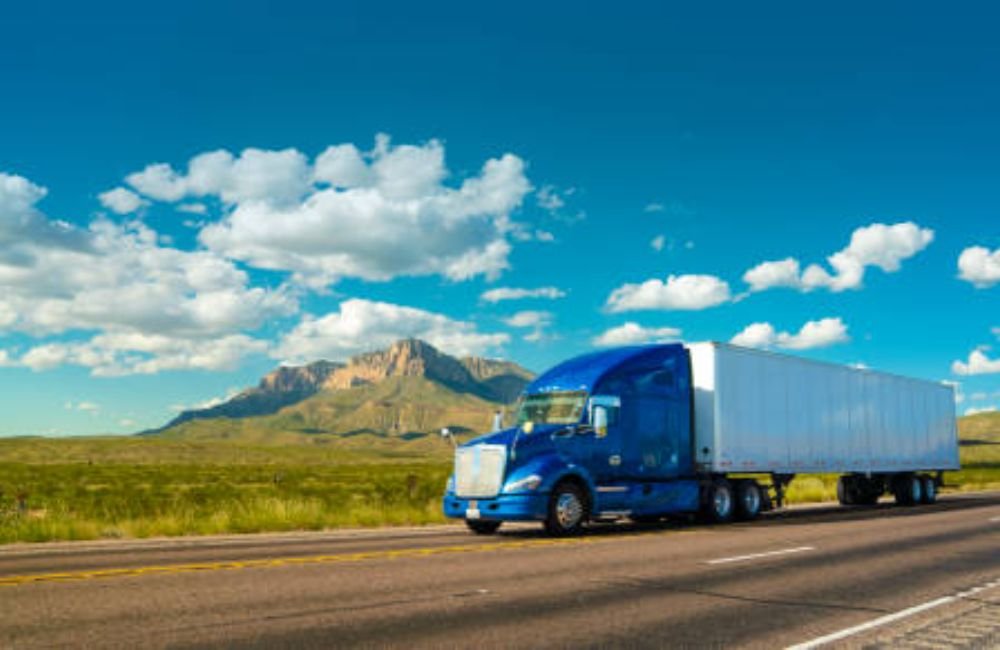
The Coverage Gap Most Owner Operators Do Not Know They Have — Until It Is Too Late
The Coverage Gap Most Owner Operators Do Not Know They Have — Until It Is Too Late
If you are an owner-operator leased to a motor carrier, your carrier's insurance covers you when you are under dispatch with a trailer. The moment you unhook that trailer and drive your truck home, to a truck stop, or anywhere else for personal use, that carrier coverage disappears. Bobtail insurance and non-trucking liability insurance are designed to fill that gap — and it is one of the most commonly overlooked exposures in trucking. At Monarca Trucking Insurance, we make sure every owner-operator we insure understands this distinction and has the right coverage in place before it becomes a problem. Both coverages are available as affordable endorsements to your existing policy, and we serve owner operators throughout West Covina, Baldwin Park, El Monte, and the City of Industry corridor.
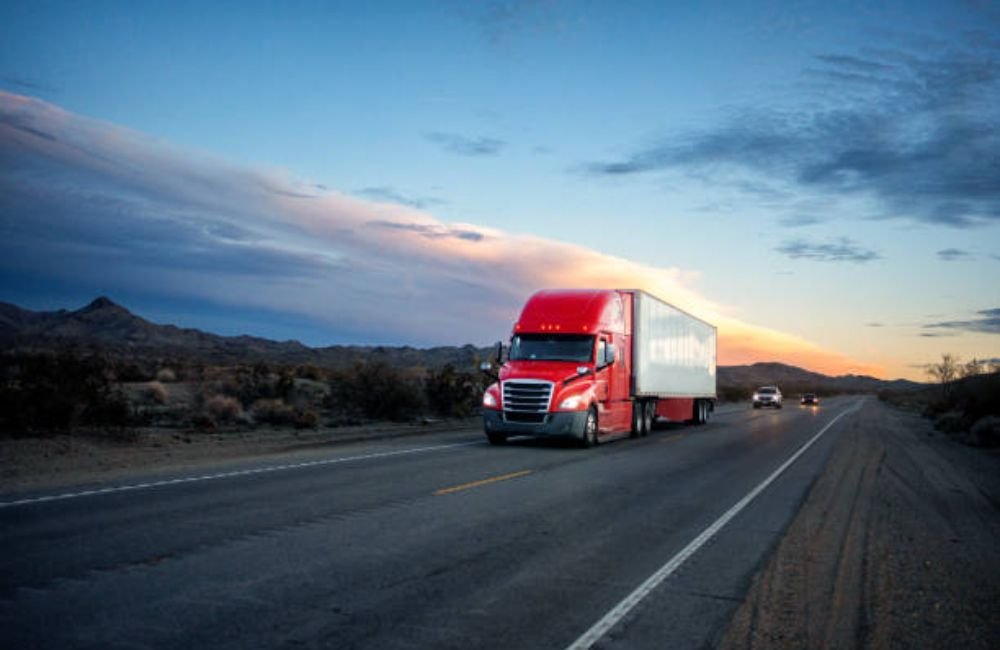
Collision and Comprehensive Protection for Your Most Valuable Asset
Your truck is your business, and if it is damaged, stolen, or totaled, your income stops immediately. Physical damage insurance protects your power unit and trailer against collision, theft, vandalism, fire, and weather-related losses. At Monarca Trucking Insurance, we offer both stated value and actual cash value policy options so you can choose the right balance between premium cost and payout protection. We insure owner operator power units, fleet vehicles, refrigerated units, day cabs, sleeper trucks, and leased or financed equipment. If your truck is financed, your lender will require physical damage coverage, and we ensure your lienholder is properly listed while structuring coverage that satisfies lender requirements without unnecessary cost. In high-traffic freight corridors like I-10 and I-605, accident exposure is real, and proper physical damage coverage keeps your operation from shutting down after one unexpected event.
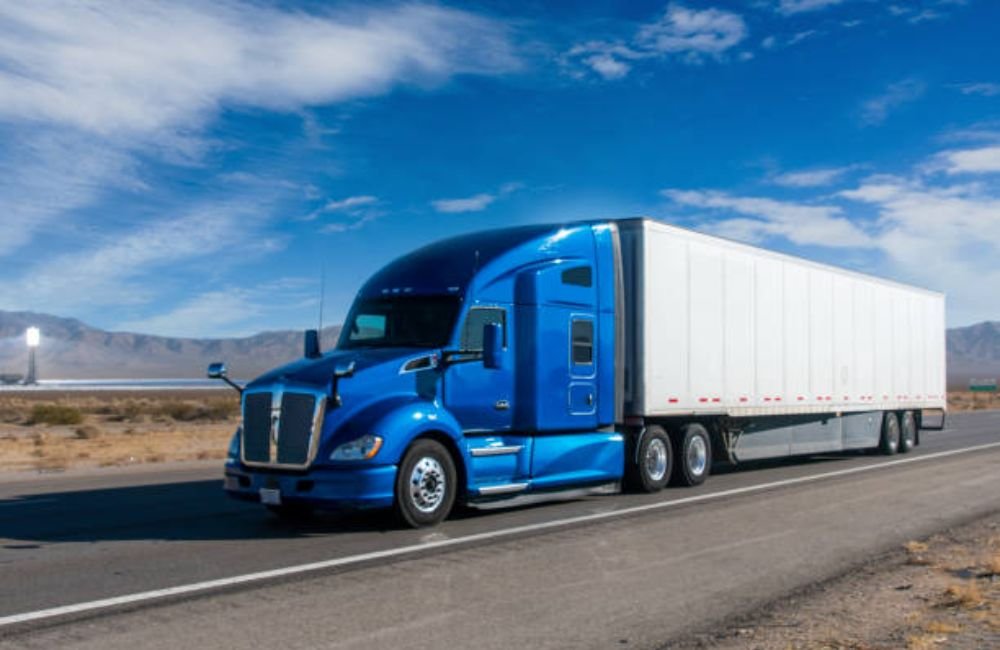
Port Drayage and Container Hauling Insurance Built for the City of Industry and Long Beach Corridor
The City of Industry sits less than 30 miles from the Port of Long Beach at the intersection of the SR-60, I-10, and I-605 freeways — one of Southern California's most active intermodal logistics corridors. At Monarca Trucking Insurance, we are one of the few agencies in the West Covina area offering a dedicated intermodal and container-hauling insurance program. We cover the specific exposures that drayage operators face: primary liability for on-highway operations, chassis liability under pool chassis agreements, motor truck cargo coverage for containerized freight, terminal coverage for operations inside port and rail facilities, and bobtail coverage for deadhead moves between terminals and your yard. If you run port drayage, transload freight, or operate intermodal container routes in Southern California, we have the coverage you need and the expertise to structure it correctly.
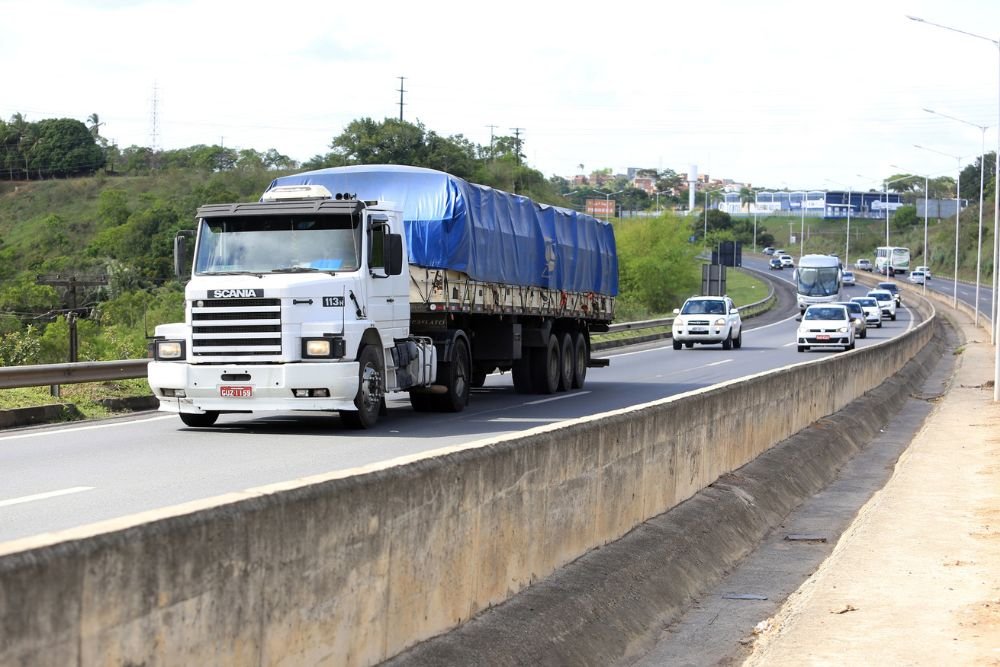
Coverage Built for 48-State Authority and Cross-Country Operations
Operating beyond California requires broader coverage, different rating structures, and more complex compliance requirements. At Monarca Trucking Insurance, we specialize in long-haul truck insurance for California-based carriers running interstate authority across multiple states. Our long-haul policies are structured to include zone-rated liability premiums, multi-state filing compliance, expanded cargo options, trailer interchange coverage, and optional downtime protection when available. We manage all federal compliance filings with the Federal Motor Carrier Safety Administration and ensure your coverage remains active wherever your routes take you. Whether you are hauling produce to the Midwest, electronics across state lines, or refrigerated freight nationwide, we structure your policy to match the real exposure of long-haul trucking rather than using a local-only template.
Ready to Get Your Commercial Truck Insurance Quote?
Speak directly with a licensed California trucking insurance specialist — we handle your coverage, your filings, and your certificates so you can focus on what you do best.