
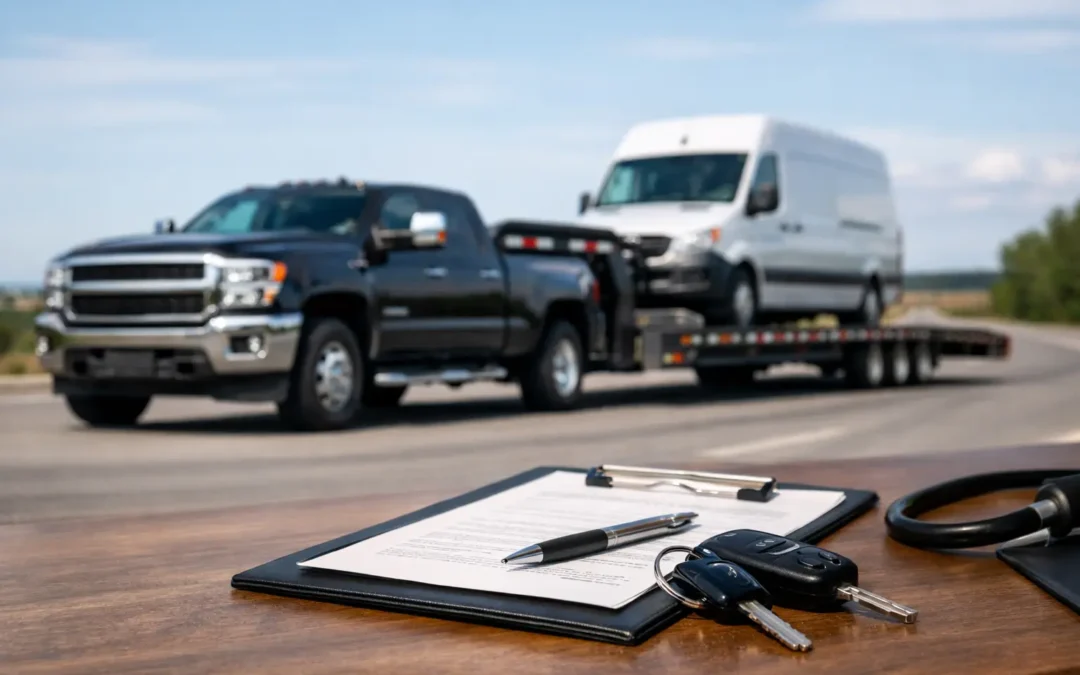
A lot of hotshot operators find out the hard way that personal auto coverage, or even a basic commercial policy, is not enough once freight, brokers, and federal filings enter the picture. Hotshot truck insurance is built for that gap. If you are hauling time-sensitive loads on a pickup and trailer setup, your coverage has to satisfy legal requirements, meet shipper expectations, and protect the equipment that keeps revenue moving.
Hotshot work looks simple from the outside. In practice, it creates a very specific risk profile. You may be running a one-ton dually with a gooseneck, crossing state lines, picking up partials, hauling machinery, construction materials, pallets, or expedited freight. The equipment is lighter than a Class 8 setup, but the liability exposure is still real. One accident, one cargo claim, or one paperwork issue can stop loads fast.
What hotshot truck insurance usually includes
The right policy structure depends on how you operate, whether you run under your own authority, what commodities you haul, and whether you are leased on. Still, most hotshot operators are looking at the same core coverage categories.
Primary liability is the foundation. If you operate under your own authority, this is the coverage that satisfies FMCSA liability requirements and allows your authority to stay active. It covers bodily injury and property damage you cause to others in an at-fault accident. For interstate for-hire carriers, the required limit is often $750,000, but many brokers and shippers want to see $1 million. That difference matters in the real world because meeting the legal minimum does not always mean meeting contract requirements.
Cargo coverage is another common requirement. If you are hauling someone else’s freight, cargo insurance protects against loss or damage to that load, subject to policy terms and exclusions. Limits vary by freight type. A general freight hotshot operator may carry $100,000 in cargo, but higher-value loads can require more. The fine print matters here. Not every commodity is treated the same, and some policies restrict theft, unattended vehicle losses, or certain high-risk goods.
Physical damage covers your truck and trailer for collision, fire, theft, vandalism, and other covered losses. If your pickup is financed, your lender will usually require it. Even if it is paid off, this is often the difference between getting back on the road or absorbing a major equipment loss out of pocket.
You may also need bobtail or non-trucking liability, depending on how you are dispatched and whether you are leased to a motor carrier. These coverages are often misunderstood. Bobtail generally applies when operating the truck without a trailer, while non-trucking liability is designed for personal use when not under dispatch. They are not interchangeable in every situation.
General liability can also come into play, especially if shippers, yards, or contracts require it. This is separate from auto liability and can respond to claims like third-party bodily injury on your premises or certain non-driving-related exposures.
Why hotshot truck insurance costs what it costs
Hotshot insurance pricing is not random, even if quotes can look inconsistent from one market to another. Underwriters are trying to measure how likely you are to produce a loss and how severe that loss could be.
Experience is one of the biggest rating factors. A driver with several clean years in commercial trucking will usually present better than a new venture carrier with limited CDL history. New authorities also face tougher pricing because insurers do not have operational history to review. If you are just getting started, the market often treats you as a higher uncertainty risk, even if you have driving experience.
Your equipment affects premium as well. A heavy-duty pickup with a gooseneck trailer does not rate the same as a straight truck or tractor, but value, radius, and usage still drive cost. The more expensive the truck and trailer, the more physical damage premium you are likely to pay.
The freight you haul matters. General freight, auto parts, construction materials, machinery, and oilfield-related loads can all be viewed differently. Higher theft exposure, fragile cargo, or loads tied to difficult jobsite conditions can push rates up. So can long-haul operations compared with more controlled local or regional lanes.
Radius is a major factor that operators sometimes overlook. Running within 300 miles is not the same exposure as running multi-state expedited freight. More miles usually mean more time on the road, more traffic environments, and more claim potential.
Your records matter more than almost anything else. Motor vehicle reports, prior losses, out-of-service history, and safety data all influence pricing and market access. One speeding violation may not shut down your options, but multiple violations, accidents, or serious compliance issues can narrow them fast.
Hotshot truck insurance for your own authority vs. leased on
This is where many operators buy the wrong coverage.
If you are running under your own MC authority, you generally need primary liability, cargo, and any filings required to activate and maintain authority. The policy has to line up with how you are operating, and your filings have to be submitted correctly. A coverage mistake here is not just an insurance issue. It can become a compliance issue that keeps you from moving freight legally.
If you are leased on to a motor carrier, some coverage may be provided by the carrier, but not all of it. You still need to verify what is covered, when it applies, and where your responsibility begins. Some leased operators assume they are protected for every scenario, only to find out after a claim that there was a gap around non-dispatch use, trailer interchange, or equipment damage.
That is why policy review matters. The question is not just whether you have insurance. The question is whether the policy matches the operating setup on paper and on the road.
Common gaps that hurt hotshot operators
The biggest coverage problems usually start with assumptions. An operator assumes the trailer is automatically covered. It may not be. Another assumes all cargo is covered the same way. It is not. Another believes a certificate means the policy covers every contract requirement. It does not.
Commodity exclusions are a common issue. If you move vehicles, household goods, copper, electronics, pharmaceuticals, or other theft-sensitive freight, you need to confirm those commodities are eligible under the cargo form. The same goes for load securement-related claims and unattended theft limitations.
Stated value versus actual cash value is another area that deserves attention. With physical damage, the valuation method can affect how much you recover after a total loss. If your truck is critical to cash flow, that difference is not minor.
Downtime is the part many operators underestimate. Insurance may pay a covered loss, but it does not erase missed loads, dispatch interruptions, and broker relationships affected by service gaps. Choosing the cheapest option without looking at claims handling, deductible structure, and endorsement details can cost more later.
How to shop for hotshot truck insurance the right way
A fast quote is useful, but accuracy matters more. Underwriters price based on operating details, and missing or incorrect information can lead to bad terms, delayed binding, or problems after a claim.
Be ready with your equipment list, VINs, driver information, operating radius, states of travel, commodities hauled, prior insurance history, and loss runs if you have them. If you are a new venture, expect more scrutiny. That is normal. It does not mean you are uninsurable. It means the file has to be built correctly.
It also helps to work with a brokerage that understands trucking-specific placement, filings, and service needs. Hotshot operators often need same-day certificates, broker-listed language, and quick proof of coverage to keep a load from falling apart. General insurance agencies are not always set up for that pace or that level of trucking detail.
Monarca Trucking Insurance Services Inc focuses on these issues because trucking accounts are not generic commercial auto accounts. The filing side, the authority side, and the day-to-day certificate demands all have to work together.
When cheaper hotshot truck insurance is not better
Every operator wants a workable premium. That is reasonable. But lower price only helps if the policy still does the job.
Sometimes a cheaper quote comes with restrictive cargo wording, higher deductibles, weak claims support, or missing endorsements needed for your contracts. Sometimes the carrier is simply taking a narrower view of your operation than you actually run. If the application says one thing and your dispatch pattern says another, the policy may look affordable right up until there is a loss.
The better approach is to compare total fit. Look at limits, deductibles, excluded commodities, valuation, coverage territory, and filing accuracy. Premium matters, but so does staying compliant and getting paid when something goes wrong.
Hotshot trucking moves fast, and insurance decisions often get made under pressure. Take an extra hour to structure the policy correctly. It is a lot easier to set up coverage before a broker asks for a certificate, before DOT filings are due, and before a claim puts every gap under a microscope.