
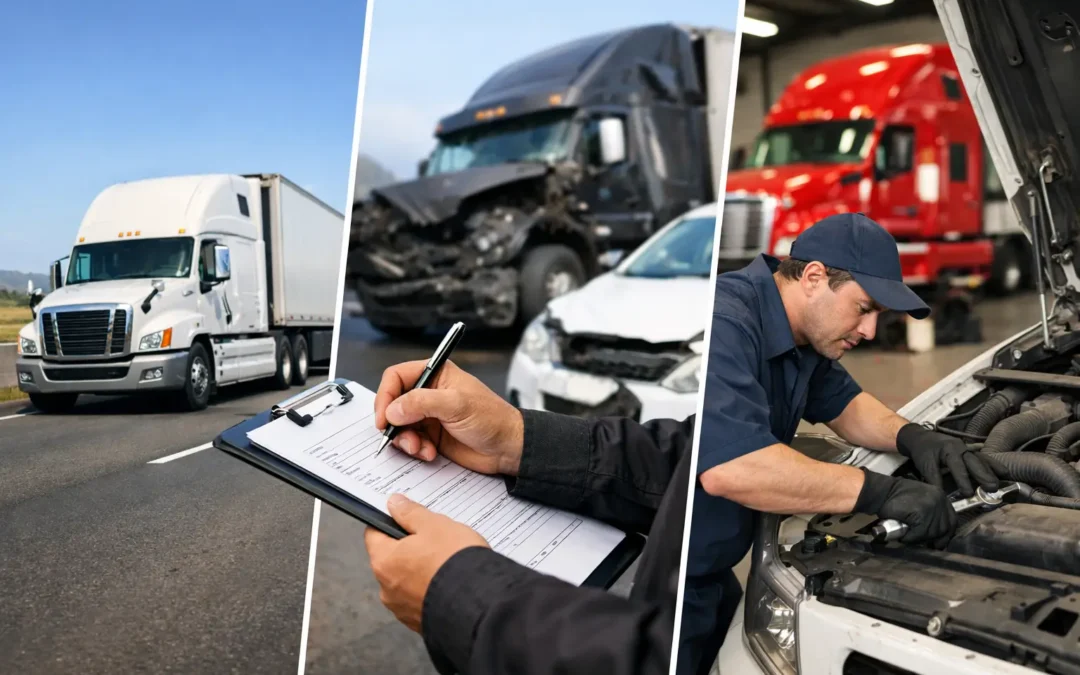
A truck can be parked in a secured yard, off the road for the night, and still become an expensive claim by morning. Fire, theft, vandalism, a jackknife on a wet off-ramp, or a deer strike in the dark can put a power unit out of service fast. That is where semi truck physical coverage matters. It protects the truck itself and, depending on how the policy is written, can also apply to attached equipment, trailers, and other scheduled units.
For owner operators and fleet owners, this coverage is less about checking a box and more about protecting revenue. If a financed truck is damaged, the lender still expects payment. If a down unit delays loads, the cost goes beyond repairs. Physical damage coverage is one of the core building blocks of a trucking insurance program because it addresses the asset you depend on to keep moving.
What semi truck physical coverage actually covers
In trucking, physical damage usually refers to two main parts of coverage: collision and comprehensive. Collision applies when the covered truck hits another vehicle or object, or overturns. Comprehensive applies to losses that are not collision-related, such as theft, fire, vandalism, hail, flood, falling objects, or animal strikes.
That sounds simple on paper, but claim outcomes depend on how the unit is listed, what value was insured, and whether optional equipment was properly disclosed. A tractor with custom headache racks, upgraded electronics, or permanently attached equipment may need those items specifically addressed. If they are not, the policy may only respond up to the value of the base unit.
Most trucking operators also need to think beyond the tractor. Many policies can schedule trailers, reefer units, and certain attached equipment. If you are hauling under a trailer interchange agreement or regularly pulling non-owned trailers, that is a separate issue and not something to assume is handled under basic physical damage.
Why this coverage matters more in trucking than standard auto insurance
A personal auto claim is disruptive. A semi truck claim can shut down cash flow. That is the difference.
Commercial trucking equipment carries a much higher replacement cost, and repair times are often longer because of parts availability, specialized labor, and post-loss inspections. Even a moderate claim can sideline a truck for weeks. If you are a new venture carrier with one truck, that downtime can hit harder than the repair bill itself.
There is also a financing reality. Many lenders require physical damage on financed equipment, and they may require specific deductibles or loss payee wording. If the policy does not match those requirements, you can create problems with the bank even before a claim happens.
For fleets, the issue shifts from single-unit survival to operational continuity. One loss may be manageable. Multiple units with poor valuation, high deductibles, or equipment gaps can create a serious balance sheet problem.
How truck value is handled on a physical damage policy
One of the biggest misunderstandings in semi truck physical coverage is how the truck is valued at claim time. Many operators assume the insured amount is automatically what they will receive after a total loss. That is not always the case.
Some policies are written on an actual cash value basis. That usually means depreciation is considered. The carrier looks at the truck’s age, condition, mileage, and market value at the time of loss. If you insured the truck for more than its current market value, the claim payment may still be reduced to actual cash value, less the deductible.
Other policies may use stated amount or similar valuation language. That can sound favorable, but stated amount is not always a guarantee of full payment. In many cases, the insurer pays the lesser of the stated amount, the cost to repair, or the actual cash value. The wording matters.
This is where trucking-specific guidance matters. A 2020 sleeper with high miles, a rebuilt engine, and recent upgrades is not the same risk profile as a similar year unit in average condition. The declared value should be grounded in realistic replacement economics, not guesswork and not just what the lender balance says.
Common exclusions and gaps operators overlook
Semi truck physical coverage is broad, but it is not open-ended. Wear and tear, mechanical breakdown, and gradual deterioration are usually excluded. If your engine fails because of internal mechanical issues, that is generally not a physical damage claim.
Tire damage can be another gray area for operators who do not read the policy closely. If the only damage is a blowout or road damage to the tire itself, coverage may be limited or excluded unless the loss was part of a larger covered event.
Personal property in the cab is also commonly misunderstood. Tools, chains, tarps, straps, and driver belongings may have limited coverage or none at all unless specifically endorsed. The same goes for aftermarket accessories and specialized equipment.
Another frequent problem is assuming cargo damage and truck damage are handled the same way. They are not. If a rollover damages the tractor and destroys the freight, the truck physical damage policy addresses the unit, while cargo coverage addresses the load, assuming the cargo policy applies and there is no exclusion.
Choosing deductibles without creating a cash flow problem
Higher deductibles can help reduce premium. That part is true. But the right deductible depends on how much loss your operation can absorb without disrupting payroll, fuel, repairs, or loan payments.
A $5,000 deductible may look manageable when rates are high and the quote needs to work. Then a windshield claim, a sideswipe, or a theft loss happens and the out-of-pocket cost arrives at the worst possible time. For a one-truck operation, that can turn a minor incident into a serious business strain.
On the other hand, carrying a very low deductible on older equipment does not always pencil out. If the truck has a modest market value, paying extra premium for a low deductible may not produce much real benefit. It depends on unit value, financing terms, loss history, and how much liquidity the business keeps available.
Semi truck physical coverage for new ventures and small fleets
New venture carriers often focus on primary liability first because authority, filings, and shipper requirements are immediate. That is understandable. But underinsuring equipment creates a different kind of exposure.
If a first-year carrier has one financed truck and skips proper physical damage or undervalues the unit to lower premium, one major loss can stop the business before it gets established. The same applies to a small fleet trying to scale. Premium matters, but the wrong structure can cost more than the savings.
For small and mid-sized fleets, consistency matters. Units should be scheduled correctly, values should be reviewed regularly, and any newly added equipment should be reported promptly. A truck bought at auction, leased onto the fleet, or reassigned from one operating entity to another can create coverage issues if the paperwork lags behind operations.
What affects the cost of semi truck physical coverage
Several factors drive pricing. The truck’s year, make, model, declared value, garaging location, radius of operation, commodity type, loss history, and driver profile all play a role. Financing status can matter too, especially when lender requirements affect deductible options or policy wording.
The type of hauling also influences underwriting. Long-haul interstate exposure is different from local drayage, dump, towing, or NEMT. Parking conditions matter. So does theft exposure in certain lanes or terminals. A truck that spends nights in secured yards is viewed differently than one parked regularly in exposed lots.
Claims frequency also shapes what markets will offer. Even smaller physical damage claims can push an account into tougher pricing territory over time. That does not mean every deductible should be raised to avoid reporting losses. It means the coverage strategy should match the business model, not just the lowest initial quote.
How to buy this coverage the right way
Start with the equipment schedule. Make sure every tractor, trailer, and insured component is listed correctly with the right VIN, year, and value. Then review how the policy values losses. That one detail changes expectations more than most operators realize.
Ask direct questions about attached equipment, electronics, permanently mounted accessories, and driver tools if they matter to your operation. If you pull interchange trailers or operate under lease arrangements, confirm where that exposure sits. Do not assume one policy form handles every equipment scenario.
Finally, treat physical damage as part of your operating plan, not just an insurance line item. A trucking-focused broker can help align the policy with lender requirements, dispatch reality, and how your units actually run. That is especially important when you need fast certificates, clean filings, and coverage that holds up when a truck is down and the claim gets tested.
The right policy should do one thing well: keep equipment losses from turning into business-ending setbacks.