
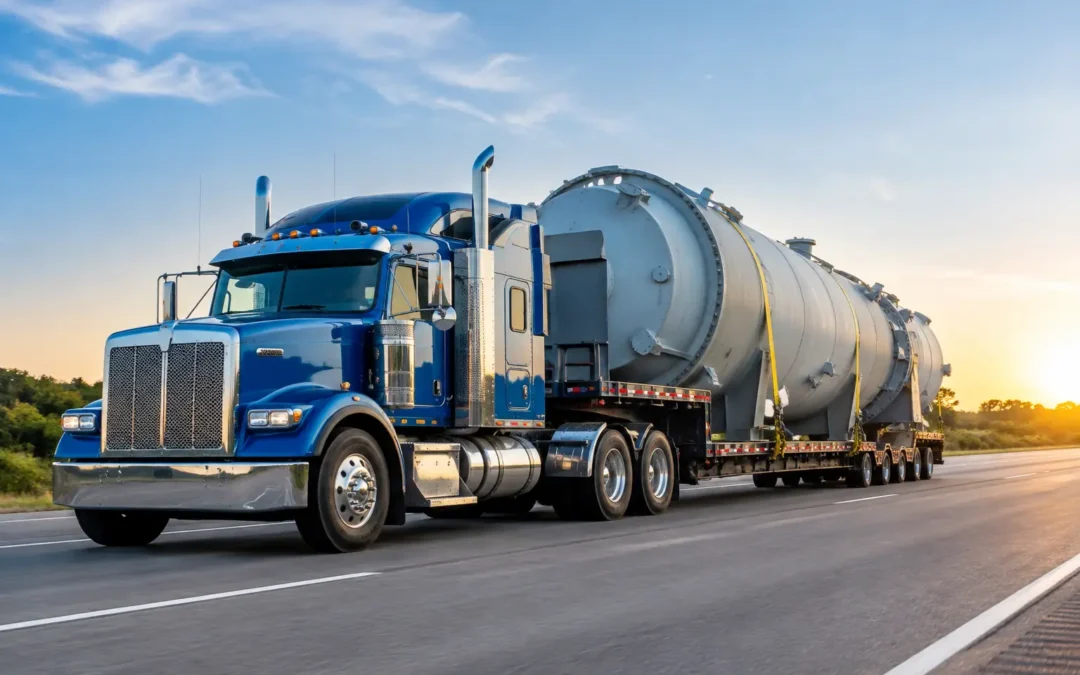
A 14-foot-wide transformer or a 120,000-pound piece of equipment creates a different insurance exposure than a standard dry van load. If you are figuring out how to insure oversized loads, start before the rate confirmation is signed. The dimensions, route, escort requirements, loading method, and contract language can all affect whether a loss is covered and whether the limits are sufficient.
Oversize and overweight hauling can be profitable, but one bridge strike, rollover, shifting load, or damaged utility line can create a claim far beyond a basic trucking policy. The goal is not simply to show a certificate. It is to build coverage around the actual move, keep required filings and permits in order, and avoid exclusions that surface after a loss.
How to Insure Oversized Loads: Start With the Move
There is no single insurance package that fits every over-dimensional load. A load that is over width may need different planning than a superload that is over height, over length, and overweight. Underwriters need a clear picture of what you haul and how you haul it.
Before requesting a quote or adding a load to your schedule, document the commodity, declared value, gross weight, dimensions, origin and destination, trailer type, and anticipated route. Include whether the shipment requires pilot cars, police escorts, utility coordination, route surveys, cranes, or multi-state permits. These details are underwriting information, not paperwork for its own sake.
A lowboy hauling a construction excavator, for example, presents different tie-down, loading, clearance, and cargo-value issues than a multi-axle configuration moving a generator. If the operation regularly handles heavy haul freight, your application should reflect that class of business. Calling it general freight can create a serious mismatch between the policy and the work being performed.
Build the Right Coverage Stack
Oversized-load insurance is usually a combination of policies and endorsements rather than a stand-alone policy. Your authority, customer requirements, equipment values, and freight profile determine the final structure.
Primary Auto Liability
Primary auto liability responds to bodily injury and property damage caused by your truck in an at-fault accident. Federal minimums may satisfy FMCSA requirements for certain operations, but they are not always enough for an oversized move. A collision involving a heavy-haul configuration can damage multiple vehicles, infrastructure, or property well beyond a minimum limit.
Many shippers, project owners, and brokers require higher limits, commonly $1 million or more, and some projects require substantially higher limits. Do not assume a higher limit is automatically available on every policy or for every operation. Confirm the limit, covered units, radius, states of operation, and any heavy-haul restrictions before dispatch.
The MCS-90 endorsement and BMC-91X filing may be necessary for for-hire interstate carriers, but they do not replace a properly designed liability policy. MCS-90 is a public-protection endorsement, not cargo coverage or a blanket solution for contractual obligations.
Motor Truck Cargo Coverage
Cargo insurance protects against covered physical loss or damage to the freight you are legally responsible for transporting. For oversized loads, the cargo limit should reflect the full value of the commodity, not the limit you carry for ordinary freight. A $100,000 cargo limit is not a workable answer for a $750,000 transformer or specialized industrial component.
Review the policy form closely. Cargo policies can have restrictions involving machinery, high-value equipment, improper securement, unattended vehicles, theft, loading and unloading, or employee dishonesty. Certain commodities may be excluded entirely unless specifically scheduled or endorsed.
Also pay attention to the deductible. A high deductible may lower premium, but it can become a major cash-flow problem after a cargo damage claim. The right choice depends on your reserves, claim history, and the margin on the work you accept.
Physical Damage and Equipment Coverage
Heavy-haul tractors, detachable gooseneck trailers, lowboys, jeeps, boosters, and specialized axle configurations are expensive to repair or replace. Physical damage coverage can protect your own scheduled equipment from collision, comprehensive losses, theft, vandalism, and certain weather events, subject to the policy terms.
Make sure stated values are current. Underinsuring a specialized trailer to save premium can leave your business short after a total loss. Ask whether newly acquired equipment, attached accessories, and permanently mounted equipment are covered and for how long under the policy.
Excess or Umbrella Liability
For higher-risk loads and project work, excess liability may be necessary above your primary auto policy. This is particularly relevant when contracts require $2 million, $5 million, or higher limits. Excess coverage is not interchangeable with an umbrella policy, and it may be narrower than the primary policy underneath it.
Your broker should verify that the excess layer follows the scheduled primary liability coverage and that the underlying limits meet the excess carrier’s requirements. A limit shown on a certificate is only useful if the policy actually responds to the loss scenario.
Permits, Escorts, and Contracts Create Their Own Exposure
Permits authorize movement. They do not insure the movement. State permit requirements can dictate travel windows, routes, speed restrictions, escort vehicles, height poles, flagging, lighting, and other safety conditions. A permit violation can complicate a claim, invite fines, and damage your position in a coverage dispute.
The same applies to pilot-car operations. Confirm who is hiring the escorts, whether they carry their own liability coverage, and what the contract says about responsibility for route errors or property damage. If an escort misses a low-clearance hazard, several parties may be pulled into the claim.
Read every shipper, broker, and project agreement before accepting the load. Indemnity provisions can require you to assume liability beyond what your trucking policy covers. Additional insured requirements, waiver of subrogation language, primary and noncontributory wording, and unusually high cargo limits should be reviewed before you issue a certificate of insurance.
A certificate does not amend your policy. If a customer requests a specific endorsement, obtain confirmation that it is available and issued. Same-day certificate service is valuable, but speed should not replace a contract and coverage review.
Control the Risks That Affect Coverage and Pricing
Insurers look at more than your limits. They evaluate whether your operation has the discipline to move difficult freight safely. Clean inspections, experienced drivers, appropriate equipment, documented maintenance, and a credible safety program can all influence underwriting.
For each oversized move, maintain a job file with the permit, route plan, bill of lading, load dimensions, securement plan, pre-trip inspection, photos, escort information, and customer instructions. If conditions change at pickup or delivery, document the change. A load that was quoted at one height or weight but moves differently can require a permit change and an insurance review.
Securement deserves special attention. Federal cargo securement rules establish a baseline, but specialized equipment may require manufacturer instructions, engineered securement plans, additional chains, binders, blocking, or bracing. Drivers should have authority to stop a move when securement, clearance, weather, or route conditions are unsafe.
Do not overlook loading and unloading. Damage can occur while a machine is being driven onto a trailer, lifted by a crane, or removed at the destination. Determine whether your cargo policy addresses loading and unloading and whether a customer or subcontractor has assumed part of that work. The answer often depends on the policy language and the facts of the loss.
When to Notify Your Insurance Broker
Notify your trucking insurance specialist before accepting work that is outside your normal profile. That includes a higher-value commodity, a new type of machinery, a superload, a new trailer configuration, interstate expansion, a new driver, or contract limits above your current program.
Do not wait until a customer asks for a certificate at the end of the day. Early review gives your broker time to check carrier appetite, request endorsements, adjust cargo limits, coordinate filings, and identify gaps that could stop the move. For new ventures, this is especially important because markets may limit heavy-haul exposure until operating history is established.
Oversized hauling rewards preparation. Work with a trucking-focused insurance agency that understands permits, FMCSA compliance, certificate requirements, and the difference between a standard load and a project that can put your authority and equipment at risk. The right program lets you take profitable freight with a clear understanding of what is protected before the wheels start turning.