
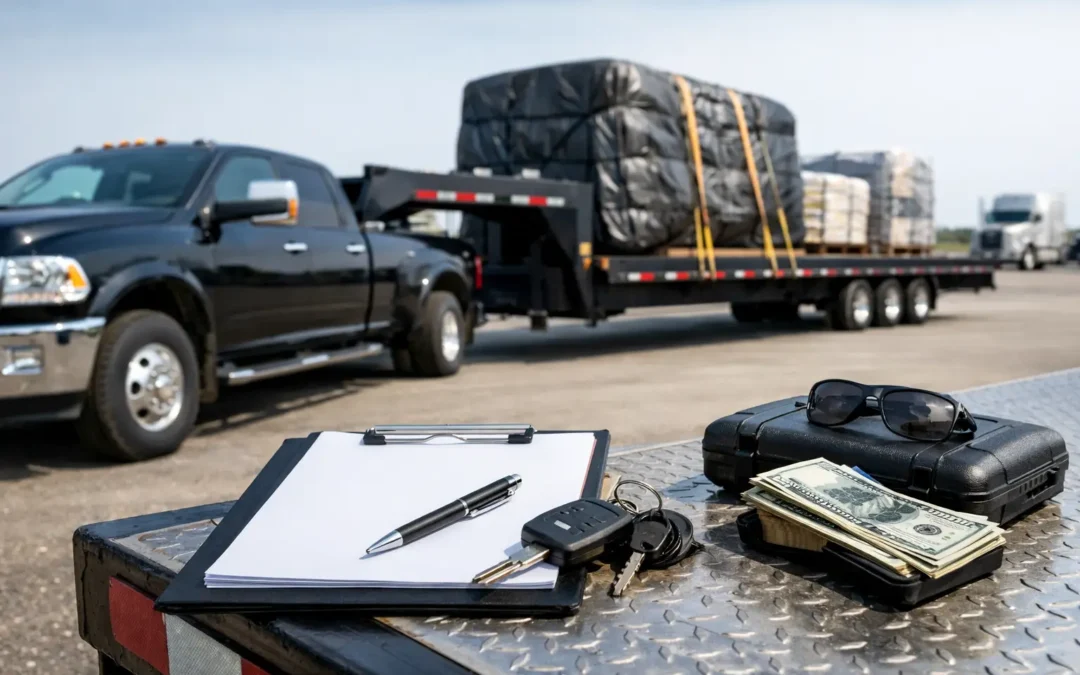
A hotshot driver can be properly insured for auto liability and still face a six-figure problem when a customer’s load is damaged, stolen, or never delivered. So, do hotshot drivers need cargo insurance? For most drivers operating under their own authority, the practical answer is yes. Whether it is legally mandated in a specific situation is only part of the decision. The bigger issue is whether you can book the freight, meet broker requirements, and survive a cargo claim without it.
Hotshot trucking runs on tight margins, fast turnaround, and freight that often has a hard delivery deadline. One damaged skid of machinery, a stolen pallet, or a load shifted during a hard stop can put your revenue and customer relationships at risk. Cargo insurance is the coverage built for that exposure.
Do Hotshot Drivers Need Cargo Insurance Under FMCSA Rules?
Federal insurance rules do not create one identical cargo requirement for every hotshot operation. Your obligation can depend on your authority, whether you operate interstate, the vehicle and weight involved, the commodities you haul, and whether you transport household goods. State requirements can also apply to intrastate operations.
For-hire interstate carriers may be subject to federal cargo financial responsibility requirements, and household goods carriers face specific federal cargo insurance filing obligations. However, many hotshot operators discover that their first real cargo requirement comes from the marketplace rather than a regulator. Freight brokers, shippers, load boards, and direct customers commonly require proof of motor truck cargo coverage before they will release a load.
That distinction matters. A BMC-91X filing supports required public liability coverage. It does not provide cargo protection. The MCS-90 endorsement is also tied to public liability obligations, not payment for damage to the freight you are hauling. A driver who assumes their authority filing covers the load may find out otherwise after a claim.
If you are leased to a motor carrier, review the lease agreement before buying a separate policy. Some carriers provide cargo coverage for loads dispatched under their authority, but the agreement may place a deductible, exclusions, or responsibility for certain losses back on the driver. Coverage supplied by the carrier may also end when you haul outside its dispatch system.
Why Brokers Expect Hotshot Cargo Coverage
A broker is trusting you with someone else’s freight. Their customer may be shipping construction equipment, oilfield parts, automotive components, generators, retail goods, or high-value machinery. The broker needs to know that a cargo loss will not become an uncovered dispute between the shipper, carrier, and driver.
Many brokers require at least $100,000 in motor truck cargo coverage. That number is common, not universal. A load of compact equipment or industrial components can exceed $100,000 quickly. On the other hand, a driver running lower-value local freight may not need the same limit as a hotshot carrier hauling specialized equipment across multiple states.
The right limit should reflect your largest realistic load, not your average load. If you normally haul $30,000 freight but occasionally accept a $150,000 load because the rate looks good, a $100,000 cargo limit leaves a costly gap. You should either increase the limit or decline loads that exceed the policy limit.
Brokers may also ask for a certificate of insurance showing active cargo coverage. A certificate helps verify coverage, but it does not rewrite the policy. Before accepting a load, confirm that the commodity, route, vehicle type, and value fit within your actual policy terms.
Cargo Insurance Is Different From Auto Liability and Physical Damage
These coverages protect different parts of your operation. They should not be treated as substitutes.
Primary auto liability responds to bodily injury or property damage you cause to others in an accident. If you rear-end another vehicle, liability coverage addresses the third party’s injury and property claim, subject to policy terms and limits. It generally does not pay for the customer’s freight simply because it was in your trailer.
Physical damage protects your own insured pickup, truck, or equipment against covered losses such as collision, comprehensive losses, theft, or vandalism. It is about your vehicle. Motor truck cargo insurance is about the freight you have agreed to transport.
A hotshot carrier may also need non-trucking liability, commonly called bobtail coverage, for certain off-dispatch use, or trailer interchange coverage when responsible for a trailer owned by another party. Those coverages can be essential, but neither replaces cargo insurance.
What Motor Truck Cargo Insurance Can Cover
A properly structured motor truck cargo policy can respond to covered loss or damage to freight while it is in your care, custody, or control. That may include a collision, theft, fire, overturn, or certain weather-related events, depending on the policy.
The details matter because cargo policies are not all written the same way. Some policies provide broad protection subject to exclusions. Others restrict certain commodities, limit theft protection, require specific security measures, or exclude losses arising from improper loading, inadequate securement, unattended vehicles, temperature issues, delay, or wear and tear.
Hotshot drivers should pay particular attention to securement. Chains, straps, binders, tarps, edge protection, and inspection practices are operational necessities, not just DOT compliance items. If a piece of equipment shifts because it was not properly secured, the claim can become complicated even when cargo insurance is in force.
There can also be a difference between damage occurring during transport and damage that happened before you took possession. Bill of lading notes, pickup photos, delivery photos, and a clear record of visible damage protect you from being assigned responsibility for a pre-existing issue.
Choosing a Cargo Limit for a Hotshot Operation
Start with the freight you actually plan to haul. A 40-foot gooseneck moving construction materials creates a different cargo profile than a dually hauling expedited automotive parts. The limit should account for your cargo value, commodity type, lanes, customer contracts, and the largest single load you may accept.
Ask these questions before setting a limit:
- What is the maximum invoice value of the loads I intend to haul?
- Do my regular brokers require $100,000, $250,000, or more?
- Am I hauling theft-sensitive freight, electronics, tools, equipment, or high-value parts?
- Will I ever leave a loaded truck or trailer unattended during an overnight stop?
- Does my policy cover the commodities and territories listed on my load confirmations?
The deductible is also a business decision. A higher deductible can reduce premium, but it increases the cash you must produce after a loss. For a new venture hotshot carrier, an affordable deductible is often more useful than a lower premium that creates a difficult out-of-pocket claim obligation.
Common Cargo Coverage Gaps That Hurt Hotshot Drivers
The most expensive cargo mistakes usually happen before the truck moves. A driver books a load outside the policy’s commodity restrictions, relies on a certificate without reviewing coverage, or accepts freight worth more than the stated limit. Another frequent issue is assuming the policy covers every stop, storage period, or transfer in the trip.
Theft controls deserve close attention. Some policies require the vehicle to be attended, parked in a secured location, or equipped with specific anti-theft protections for certain cargo. Leaving a loaded trailer at an unsecured hotel lot can create coverage issues, particularly for high-theft goods.
The same goes for loading and unloading. Your responsibility may begin when you sign the bill of lading, but policy language can vary. If you assist with loading, operate equipment, or agree to supervise securement, understand how those activities affect your risk and claim responsibilities.
Build Insurance Around the Loads You Want to Book
Cargo insurance should support your operating plan, not become an afterthought after a broker rejects your packet. Before binding coverage, identify your typical freight, maximum load value, operating radius, trailer setup, and whether you run under your own authority or lease onto another carrier.
A trucking-focused broker can then match the cargo limit and policy conditions to the work you intend to perform, while also coordinating primary liability, physical damage, filings, and certificates. Monarca Trucking Insurance Services works with hotshot operators who need coverage structured around real dispatch requirements, not a generic commercial policy.
Before you accept your next high-value load, compare the load confirmation to your cargo policy. If the value, commodity, or handling requirements do not fit, fix the coverage first. Turning down one load is far less costly than carrying an uninsured claim for years.