
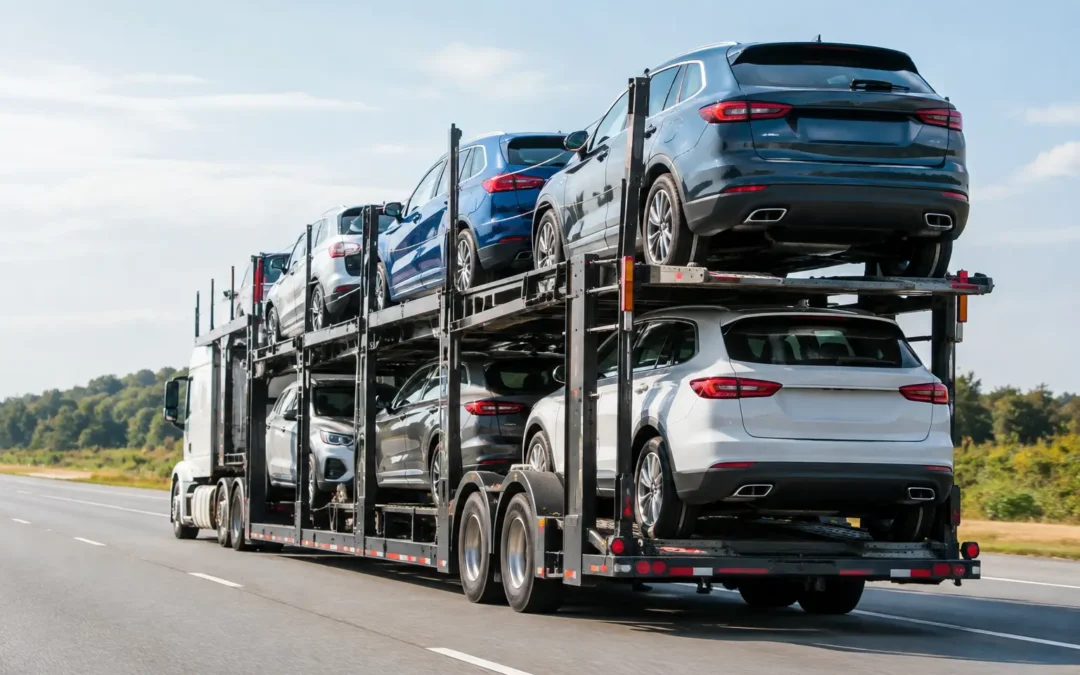
A single vehicle claim can put an auto hauler in a difficult position fast. A late-model pickup damaged during loading, a multi-car trailer struck on the interstate, or a cargo claim from a dealer can involve values far beyond a standard freight load. Knowing how to insure auto haulers starts with matching the policy to the equipment, vehicle values, operating radius, and contracts behind the business.
Auto transport insurance is not a one-size-fits-all trucking policy. The right program must keep your authority compliant, satisfy shippers and brokers, protect the vehicles in your care, and address the cost of repairing or replacing specialized equipment after a loss.
Start With Your Auto Hauler Operation
Underwriters price car haulers based on the actual work being performed, not simply the fact that a truck pulls a trailer. A hotshot operator moving one or two vehicles on a wedge trailer has a different exposure than a seven-car stinger-steer operation running dealer inventory across several states. Open and enclosed transport also create different cargo and equipment considerations.
Before requesting quotes, document your power units and trailers, VINs, garaging location, driver roster, operating states, expected annual mileage, and the type of vehicles you haul. Be specific about whether you transport dealer inventory, auction vehicles, private-party vehicles, classic cars, salvage units, electric vehicles, or inoperable vehicles. These details affect cargo limits, underwriting eligibility, and premium.
Your radius matters as well. Local dealer runs, regional auction lanes, and long-haul coast-to-coast transport do not present the same loss patterns. A carrier that regularly crosses state lines must also have the correct federal authority and insurance filings in place before operating interstate.
Build the Core Coverage Package
A commercial auto hauler policy usually begins with primary auto liability, motor truck cargo, and physical damage. Each solves a different problem. Leaving out or underinsuring one can turn an otherwise manageable claim into a business-threatening expense.
Primary Auto Liability
Primary liability pays for bodily injury and property damage your truck causes to others in an at-fault accident. Interstate for-hire carriers transporting non-hazardous property are generally subject to a federal minimum financial responsibility requirement of $750,000. In practice, many brokers, shippers, and vehicle transport contracts require $1 million in liability coverage.
Do not treat the legal minimum as the automatic answer. A serious multi-vehicle accident can exceed $750,000 quickly, particularly in high-traffic corridors or when injuries are involved. Review your customer contracts and lane exposure before choosing limits. Higher limits raise premium, but they can also make your operation eligible for more freight opportunities and reduce the risk of a catastrophic uncovered judgment.
For interstate authority, the insurer must also provide the required FMCSA filing, commonly the BMC-91X, and the policy typically includes an MCS-90 endorsement when required. These are compliance tools, not substitutes for proper coverage. A filing helps demonstrate financial responsibility to regulators; it does not mean every operational loss is covered under every policy term.
Motor Truck Cargo Coverage
Cargo insurance is where many auto haulers need to slow down and read the details. This coverage protects against covered loss or damage to the vehicles you are legally responsible for while transporting them. The correct limit should reflect the maximum total value on your trailer at one time, not the value of a single vehicle.
For example, a seven-car trailer carrying several late-model SUVs can easily have $350,000 to $500,000 or more in total vehicle value. A $100,000 cargo limit may satisfy a basic contract requirement but may not protect the actual load. The same issue applies to enclosed transport of collector cars, exotic vehicles, or luxury EVs, where just one or two units can exceed a standard cargo limit.
Ask how the policy handles loading and unloading, theft, vandalism, fire, collision, and damage caused by shifting or securement failure. Confirm whether the cargo form covers dealer-owned inventory, privately owned vehicles, auction purchases, and salvage or inoperable units. Some risks may require additional underwriting review or may carry specific conditions.
Cargo policies also include deductibles and may impose per-vehicle, per-occurrence, or aggregate limits. A per-occurrence limit of $250,000 is not enough if the policy separately caps each vehicle at $50,000 and you regularly haul vehicles worth more than that. The declarations page and policy form must match the loads you actually accept.
Physical Damage for Trucks and Trailers
Physical damage covers your own scheduled equipment, typically on a stated amount or actual cash value basis. Collision coverage applies when your truck or trailer is damaged in an accident. Comprehensive coverage responds to non-collision losses such as theft, fire, vandalism, hail, or certain weather events.
Car-hauling trailers are specialized assets. Hydraulic decks, winches, ramps, lift systems, and aluminum components can be expensive to repair and difficult to replace quickly. Insure both the power unit and every trailer at a realistic value. Understating the value may lower the premium, but it can leave you short after a total loss. Overstating it can create unnecessary cost without increasing the payment beyond the policy’s valuation terms.
Ask whether permanently attached equipment is included and whether the deductible applies separately to the truck, trailer, and damaged components. If your lender has a financial interest in the equipment, the proper loss payee endorsement is also necessary.
Add Coverage That Matches the Way You Run
Depending on your operation, you may need more than the core package. General liability can address premises and non-driving business exposures, while umbrella or excess liability can provide additional protection above underlying liability limits. Workers’ compensation may be required if you employ drivers or loading personnel, subject to state rules and your business structure.
Non-trucking liability, often called bobtail coverage, may be relevant for an owner-operator leased to a motor carrier. It is designed for certain non-dispatch, non-business use of the truck and is not a replacement for primary liability while hauling under your own authority. If you operate under your own MC authority, make sure you understand which policy responds when the truck is deadheading, repositioning for a pickup, or traveling to maintenance.
Downtime is another practical concern. Standard physical damage coverage pays for covered equipment loss, but it does not automatically replace lost revenue while a truck or trailer is in the shop. Ask about rental reimbursement, towing, roadside assistance, and any available downtime-related options. Availability varies by insurer, and these endorsements should be evaluated against your equipment access and cash reserves.
Avoid the Most Common Auto Hauler Coverage Mistakes
The biggest insurance mistake is buying limits solely to meet a broker’s certificate request. A certificate may get you through onboarding, but it does not repair an underinsured cargo loss. Set cargo limits based on the highest realistic value you may carry, including peak-season and one-off loads.
Another mistake is failing to disclose the full operation. If you tell an insurer you haul standard dealer vehicles but begin transporting high-value classics, salvage vehicles, or cross-country expedited loads, your policy may no longer reflect the exposure presented to underwriting. Update the agency before the operation changes, not after a claim.
New ventures should also avoid rushing through applications with incomplete driver or equipment details. Insurers examine driving history, prior insurance, authority age, loss runs, inspection history, and experience in vehicle transport. Clear, consistent information supports a cleaner submission and reduces delays when a shipper needs certificates or filings.
Finally, review deductibles as seriously as premiums. A lower premium with a $10,000 cargo deductible can strain a small carrier after even a modest claim. Choose deductibles your business can realistically pay without missing payroll, fuel, maintenance, or trailer payments.
How to Insure Auto Haulers With the Right Filings
Insurance placement and compliance must work together. An interstate auto hauler needs the correct liability policy and required FMCSA filing before authority can become active. If your policy cancels, changes carriers, or has a filing error, your authority and ability to book loads can be affected.
Your insurance partner should confirm the filing requirements tied to your authority, submit filings promptly, and help issue certificates that reflect customer requirements. Dealers, auctions, brokers, and finance companies may request certificates, additional insured status, waiver language, or loss payee information. These requests should be reviewed carefully because a certificate cannot broaden coverage beyond the policy itself.
Monarca Trucking Insurance Services works with trucking operators on coverage placement, filings, and policy servicing so the insurance program supports the actual operation instead of creating another administrative problem.
Review Coverage Before Your Loads Outgrow It
Auto hauling changes quickly. One additional trailer, a new contract with a dealer group, a move into enclosed transport, or a higher-value lane can change the risk profile overnight. Review limits and endorsements at renewal, but also revisit them whenever equipment, drivers, operating states, or cargo values change.
The goal is not simply to carry an insurance card. It is to operate with limits that can withstand the loads you accept, filings that keep your authority active, and a policy built for the real cost of a loss. Before taking the next higher-value shipment, make sure your coverage is ready to travel with it.