
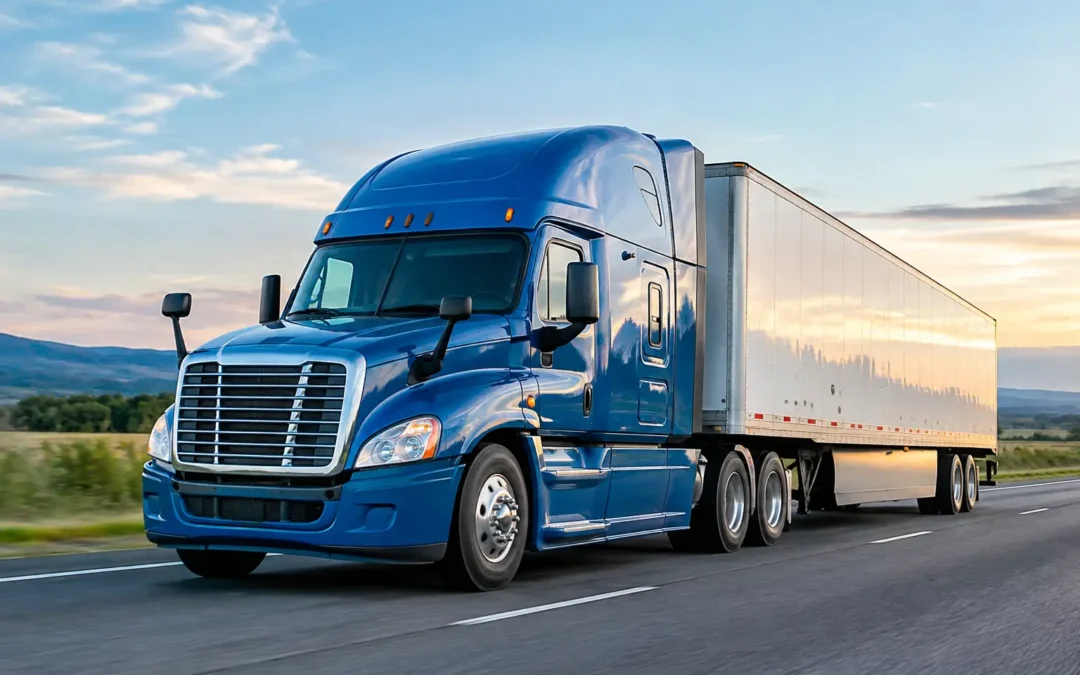
A trailer can be worth more than the tractor pulling it, yet many operators learn too late that their commercial auto policy does not automatically pay for trailer damage. The answer to which truck insurance covers trailers depends on who owns the trailer, who has possession of it, and what happened to it. Those details determine whether you need physical damage, trailer interchange, liability coverage, or more than one of them.
For an owner operator or fleet, this is not a minor coverage question. A damaged reefer, flatbed, chassis, or dry van can stop revenue immediately. If the trailer belongs to a customer, a leasing company, or another motor carrier, the claim can also create a contract dispute and jeopardize future freight opportunities.
Which Truck Insurance Covers Trailers?
There is no single trailer policy that applies to every operation. In most trucking programs, physical damage coverage protects trailers you own, while trailer interchange coverage protects non-owned trailers in your care, custody, or control under a written trailer interchange agreement.
Primary auto liability plays a different role. It responds to bodily injury or property damage you cause to others in a covered accident, subject to the policy language, coverage symbols, and applicable limits. It is not designed to pay for collision damage to your trailer or to a trailer you are hauling for someone else.
That distinction matters at the scene of an accident. If your driver backs into a parked vehicle, primary liability may address the third party’s damage. If the same event damages the trailer connected to your truck, the trailer damage needs the right physical damage or trailer interchange protection. Without it, the cost may fall directly on the motor carrier.
Physical damage for trailers you own
Physical damage is generally the coverage to consider when the trailer is titled to your business, financed in your name, or leased under an arrangement that makes your company responsible for its value. It can include collision coverage for upset and impact losses, plus comprehensive coverage for theft, fire, vandalism, hail, animal strikes, and certain other non-collision losses.
The trailer must usually be properly scheduled or otherwise included according to the policy terms. A carrier needs accurate information: VIN, year, make, type, stated value, garaging location, and whether the unit is a dry van, reefer, flatbed, tanker, lowboy, dump trailer, or specialized equipment. A generic description can create trouble when it is time to prove what was insured.
A financed trailer commonly requires physical damage because the lender has a financial interest in the unit. Check the deductible as closely as the premium. A $5,000 deductible may be manageable for a minor side-swipe, but it can strain cash flow when several units sustain separate losses.
Trailer interchange for equipment you do not own
Trailer interchange coverage is built for a common trucking arrangement: you pick up a trailer owned by another party, take possession under a written interchange agreement, and become responsible for physical loss or damage while it is in your control.
For example, a carrier drops a loaded dry van at your yard. Your driver hooks to it, moves it to a receiver, and the trailer overturns during the trip. If the trailer is not yours, your own trailer physical damage coverage may not respond. Trailer interchange coverage is the protection intended for that exposure, provided the agreement, use, trailer type, limits, and policy terms align.
This coverage is especially relevant for power-only operations, drop-and-hook freight, trailer pools, and carriers hauling equipment supplied by shippers or other motor carriers. It can also be important in intermodal operations, although containers, chassis, terminal agreements, and rail contracts may have separate insurance requirements. Never assume a trailer interchange limit automatically covers every piece of equipment listed in an intermodal contract.
Trailer interchange coverage is often written with a per-unit limit and a deductible. The limit should reflect the highest value of any non-owned trailer you may have in your possession, not the average trailer value on a typical load. A carrier that regularly pulls newer reefers or specialized flatbeds may need a materially higher limit than a carrier handling older dry vans.
Coverage That Does Not Replace Trailer Protection
Several policies matter to a trucking operation, but they do not solve the trailer damage question by themselves.
Motor truck cargo coverage protects the freight you haul, not the trailer carrying it. If a refrigerated trailer is damaged and the produce inside spoils, the trailer loss and the cargo loss may involve two distinct coverages, two deductibles, and potentially different exclusions.
Bobtail or non-trucking liability protects certain tractor liability exposures when the truck is operated outside dispatched business use. It does not insure physical loss to a trailer.
General liability can address certain premises, operations, or contractual liability exposures, but it is not a substitute for scheduled trailer physical damage or trailer interchange. Likewise, an MCS-90 endorsement supports public financial responsibility requirements in specific situations. It is not physical damage insurance for your equipment or a customer’s trailer.
Start With Ownership and Possession
Before requesting a quote or changing coverage, review how trailers actually move through your operation. The right answer is often clear once ownership and contractual responsibility are identified.
Ask these questions:
- Do you own, finance, or long-term lease the trailer?
- Do you pull customer-owned or carrier-owned trailers under a written interchange agreement?
- What is the highest replacement value of any trailer you may possess?
- Does your contract make you responsible for containers, chassis, refrigeration units, or other attached equipment?
- Are trailers stored at your yard, dropped at unsecured locations, or operated across multiple states?
A motor carrier can need both trailer physical damage and trailer interchange coverage. For instance, a small fleet may own five dry vans but also haul customer-owned reefers during produce season. Physical damage can protect the owned vans, while trailer interchange addresses the non-owned reefers when the carrier has contractual responsibility for them.
Limits, Valuation, and Deductibles Need to Match the Equipment
The value shown on the policy deserves more than a quick estimate. If a trailer is underinsured, a total loss may leave the business short of the amount needed to replace it. If it is significantly overstated, the carrier may be paying more premium without receiving a proportional claim benefit.
Ask whether the policy settles a trailer loss on actual cash value, stated amount, agreed value, or another valuation basis. These terms are not interchangeable. Actual cash value generally accounts for depreciation. A stated amount can cap what is payable and may not guarantee that amount. The specific endorsement and carrier wording control the result.
Consider the equipment’s revenue role as well. A low deductible can make sense for a high-utilization trailer that cannot sit after a moderate loss. A higher deductible may reduce premium for an older backup unit, provided the business can absorb the out-of-pocket cost. The right choice is a cash-flow decision, not just a price comparison.
Contract Requirements Can Be Stricter Than Your Policy
Shippers, brokers, leasing companies, and intermodal providers frequently require certificates showing specific trailer interchange limits, deductibles, additional insured wording, or loss payee status. Their contract may require $50,000, $100,000, or more in trailer interchange coverage even if your current operation rarely handles trailers at that value.
Do not sign off on a certificate request before comparing the contract with your policy. A certificate does not broaden coverage. If the policy excludes the equipment, limits the type of interchange, or carries a lower limit than the contract requires, the certificate cannot fix that gap.
This is where trucking-specific policy review matters. The details can include whether there is a valid written interchange agreement, whether the trailer was in your possession at the time of loss, the radius of operation, and whether the unit is classified correctly. These are underwriting details with real claim consequences.
A Practical Way to Set Up Trailer Coverage
Start by separating owned equipment from non-owned equipment. Schedule owned trailers with accurate values and confirm physical damage deductibles. Then identify every customer, carrier, leasing company, or terminal whose trailers you pull, and review whether a formal interchange agreement makes you responsible for damage.
Next, compare the highest trailer value and contractual insurance requirement against your trailer interchange limit. Review related exposures at the same time: cargo limits for the freight, refrigerated breakdown coverage when applicable, and physical damage for permanently attached equipment. Finally, keep certificates and policy schedules current when you add trailers, change operations, or begin servicing a new customer.
For owner operators and growing fleets, a trucking-only broker can help match the coverage structure to the way equipment is actually used. Monarca Trucking Insurance Services focuses on those operational details, including policy filings and certificate requests that can affect whether a carrier can take a load.
A trailer is not just an attachment behind the tractor. It is a revenue-producing asset or a contract responsibility in your hands. Protect it based on ownership, possession, and the real value at risk before the next dispatch puts that question to the test.